Best Early Intervention in Adelaide

Early intervention gives children aged 0-6 with developmental delay the best possible start by building skills during the years the brain grows fastest. This guide explains what early intervention involves, how it's funded in Australia, and how to choose an Adelaide provider that suits your family.

Therapy
Suburb
60 providers in Adelaide
Little Allied Health
1. Little Allied Health
5.0(83)· Westbourne Park
Paediatric

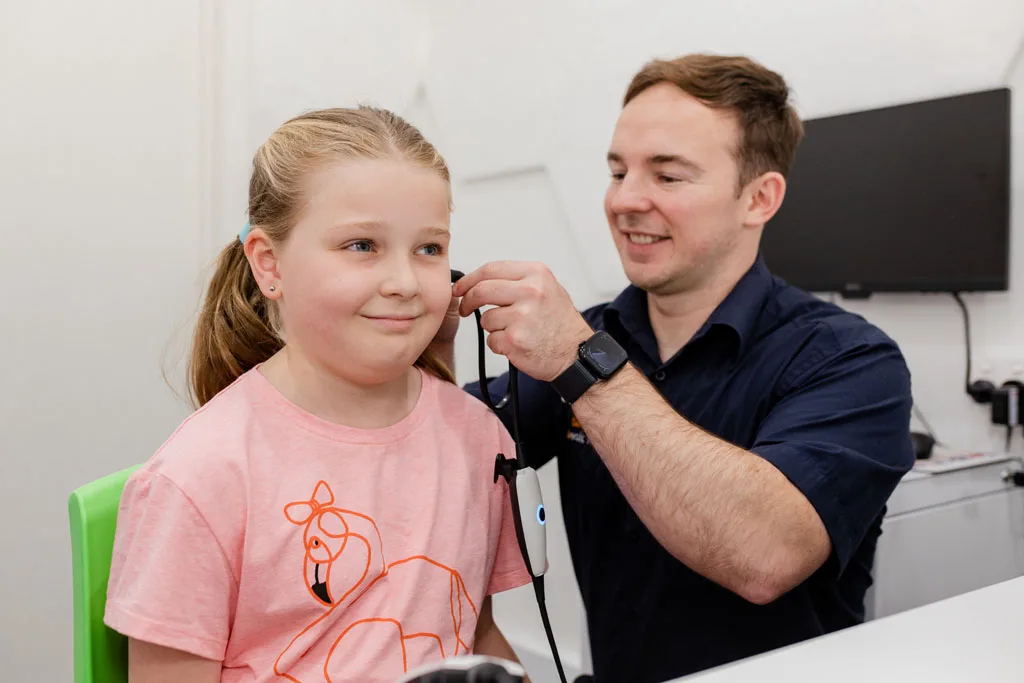
Little Allied Health offers paediatric speech pathology, audiology, and psychology/counselling services for children, with a family-centred early intervention program (Little Listeners) for children who are deaf or hard of hearing. Locations at Westbourne Park and Elizabeth Vale, SA.

Westbourne Park, SA
Infant Feeding Specialist
2. Infant Feeding Specialist
5.0(52)· North Adelaide
Paediatric

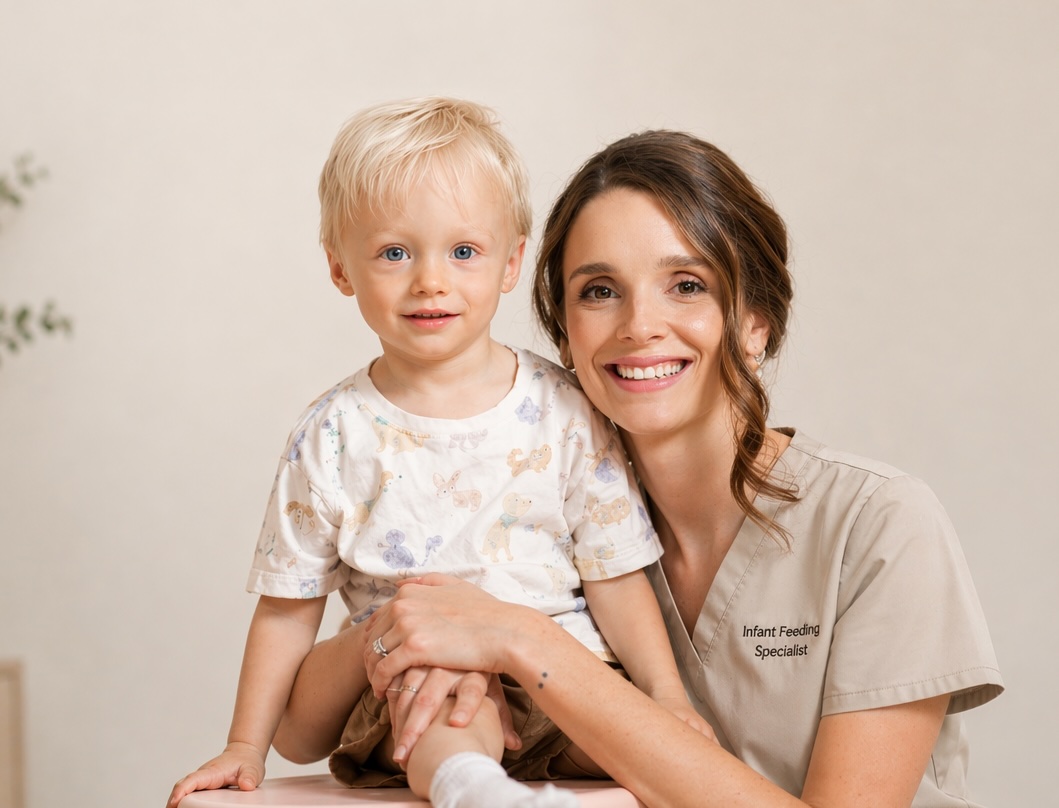
North Adelaide-based lactation/infant feeding specialist offering clinic and telehealth consultations for breastfeeding, bottle feeding, tongue tie, reflux, low supply, and bottle refusal concerns in babies and beyond newborn stage. Includes 7-day follow-up support; no NDIS or waitlist mentioned.

North Adelaide, SA
South Australia Speech Services
3. South Australia Speech Services
5.0(43)· Blair Athol
Paediatric

Adelaide-based provider (Blair Athol & Salisbury Downs) offering Speech Pathology, Occupational Therapy, and Psychology for children, adolescents, and adults. No waitlist; play-based, personalised, evidence-based therapy; Speech Pathology Australia certified team.

Blair Athol, SA
SA Speech & Hearing Centre (SASHC)
4. SA Speech & Hearing Centre (SASHC)
5.0(34)· Cumberland Park
Paediatric

SASHC offers speech pathology and audiology services in Adelaide for children (from 6 months) and adults, including autism assessments, APD, and hearing services. Offers in-person and telehealth appointments; limited wait times mentioned for autism assessments.

Cumberland Park, SA
Embrace Speech Pathology Pty Ltd
5. Embrace Speech Pathology Pty Ltd
5.0(30)· Goodwood
Paediatric

Speech Pathology clinic in Goodwood, SA, serving children birth to 18 years. Services include language, speech sound development, social communication, early intervention, literacy, AAC, behaviour and feeding therapy. Accepts NDIS, Medicare (CDM plans) and private health fund rebates via HICAPS.

Think Say Do Therapy Services
6. Think Say Do Therapy Services
5.0(25)· Adelaide CBD
Paediatric

Speech pathology service in Adelaide, SA, for children and young people aged 0-18. Offers clinic, mobile, and telehealth sessions covering language, speech, feeding, AAC, and social communication, aligned with NDIS Early Childhood approach guidelines.

Adelaide CBD, SA
Resilient Health Group
7. Resilient Health Group
5.0(23)· Beulah Park
Paediatric

Multidisciplinary Adelaide provider (Beulah Park) offering physiotherapy, occupational therapy, speech pathology, exercise physiology, counselling, hydrotherapy and art therapy for children, adults, seniors and NDIS participants. NDIS registered, supports self-managed, plan-managed and NDIA-managed clients; children's services via Resilient Kidz.

Beulah Park, SA
Chat Well Allied Health Stirling | Speech Pathology
Paediatric

Adelaide-based provider (incl. Stirling) offering speech pathology, autism assessments, group therapy and counselling for children and young people. Certified Practicing SPA members. No referral needed; accepts self- and plan-managed NDIS clients; Medicare rebates possible with referral.

Free · no obligation

Check availability with 3 local providers

One enquiry, three replies. We'll send your details to the 3 nearest children's therapy providers — compare replies and choose whoever suits your family best.

What early intervention involves

Early intervention is a coordinated approach to supporting young children who have a developmental delay or disability, or who are at risk of one. Rather than a single therapy, it usually brings together several disciplines — speech pathology, occupational therapy, physiotherapy, psychology and educators — working towards shared goals set with your family.

Good early intervention is family-centred and play-based. That means therapists work with you (not just your child) so the strategies carry over into everyday routines at home, at childcare and in the community. Sessions might happen in a clinic, at home, at your child's kindy or via telehealth.

Signs a child might benefit from support

Every child develops at their own pace, so a single milestone gap isn't cause for alarm. It's worth speaking to your GP, child health nurse or a therapist if you notice a pattern such as:

  • Not babbling, pointing or using words by expected ages
  • Limited eye contact or difficulty engaging with others
  • Not responding to their name
  • Delays in sitting, crawling or walking
  • Trouble with fine motor tasks like holding a spoon or crayon
  • Very restricted eating, or ongoing feeding or swallowing difficulties
  • Frequent, intense distress with changes or transitions
  • Loss of skills the child previously had

Trust your instincts. If something feels off, an assessment can either reassure you or get support started sooner.

Suitable ages

Early intervention generally targets children from birth to around six years, before they start formal schooling. Under the NDIS, children under 9 with developmental concerns are supported through the early childhood approach, and you don't always need a formal diagnosis to get started.

What a first appointment looks like

An initial appointment is mostly about listening and getting to know your child. Expect the therapist to:

  • Ask about your pregnancy, birth, medical history and current concerns
  • Watch your child play and interact
  • Do some informal or standardised assessment tasks
  • Talk through your priorities and goals

You'll usually leave with early impressions and a plan for next steps, which may include a more detailed assessment or a recommended schedule of sessions. Bring any reports, your child health record (the blue book in SA), and a list of your questions.

Typical costs and NDIS funding

Private allied health sessions in Australia commonly range from about $180 to $220+ per session or hour, depending on the discipline and session length. The NDIS publishes annual price limits (caps) that registered providers can charge, so fees vary within those bounds. Always confirm current pricing directly with the provider, as these figures are a general guide only and change over time.

Under the NDIS, early intervention supports are usually funded under the Capacity Building budget — specifically the Improved Daily Living line, which covers assessments and therapy from allied health professionals. Some supports may also fall under early childhood supports. If you're not yet with the NDIS, you can still access services privately, through Medicare with a GP-referred plan (limited sessions), or via private health extras.

How to choose a provider in Adelaide

This page features a range of Adelaide-area providers — including clinics in North Adelaide, Goodwood, Torrensville, Prospect, Mile End, Norwood, Modbury and beyond — spanning speech pathology, occupational therapy, paediatrics and multidisciplinary teams. When comparing them, consider:

  • NDIS registration: Check whether the provider is NDIS-registered. Plan-managed and self-managed participants can also use non-registered providers, but NDIA-managed plans generally require registered ones.
  • Therapist credentials: Speech pathologists should be certified with Speech Pathology Australia; occupational therapists registered with AHPRA (and often members of Occupational Therapy Australia); psychologists and physiotherapists registered with AHPRA. Ask to confirm.
  • Experience with young children: Early intervention is a specialist area. Ask how much of their work is with the 0-6 age group.
  • Waitlists: Demand is high across Adelaide. Ask about current wait times for both assessment and ongoing therapy — they can differ significantly between clinics.
  • Location and delivery: Consider clinic proximity, whether home or kindy visits are offered, and whether telehealth is available for follow-ups or families outside the metro area.
  • Team approach: For children with needs across several areas, a multidisciplinary team under one roof (or one that coordinates with others) can make life easier.

Ratings and review counts can be a helpful starting point, but they don't replace a conversation. A newer clinic with few reviews may still be an excellent fit, and vice versa.

Questions to ask a provider

  • Are you NDIS-registered, and can you support plan-managed or self-managed plans?
  • What are your qualifications and registrations?
  • How much experience do you have with children my child's age and needs?
  • What's the current waitlist for assessment and for therapy?
  • Do you offer home, childcare or telehealth sessions?
  • How do you involve parents in the program?
  • What are your fees, and how do they compare with NDIS price limits?
  • How will you measure and report on my child's progress?

Taking the first step can feel daunting, but early support makes a real difference. Contact a couple of providers, ask your questions, and choose the team that feels right for your family.
Other therapy types in Adelaide

Or read the full early intervention guide, or browse all Adelaide providers.

Frequently asked questions

Do I need a diagnosis before starting early intervention in Adelaide?

No. Under the NDIS early childhood approach, children under 9 with developmental concerns can access supports based on delay rather than a confirmed diagnosis. You can also start privately at any time. Speak to your GP, child health nurse or a therapist about the best pathway for your child.

How is early intervention funded through the NDIS?

Early intervention therapy is typically funded under the Capacity Building budget, usually the Improved Daily Living line, which covers allied health assessments and therapy. Some supports fall under early childhood supports. Registered providers charge within the NDIS annual price limits, so confirm current fees directly.

What does early intervention cost if I'm not on the NDIS?

Private allied health sessions in Australia generally range from around $180 to $220+ per session, varying by discipline and length. You may also access limited Medicare-subsidised sessions with a GP care plan, or use private health extras. These figures are a general guide only — always check current pricing with the provider.

How do I check a therapist's credentials?

Speech pathologists should be certified practising members of Speech Pathology Australia. Occupational therapists, physiotherapists and psychologists must be registered with AHPRA, and many OTs also belong to Occupational Therapy Australia. Ask providers to confirm their registrations before booking.

How long are early intervention waitlists in Adelaide?

Waitlists vary widely between clinics and can differ for assessment versus ongoing therapy. Demand across Adelaide is high, so it's worth contacting several providers and asking about current wait times. Some may offer telehealth or interim options while you wait.