What behaviour support involves for children
Positive behaviour support (PBS) is an evidence-based, non-punitive approach that focuses on understanding why a behaviour is happening rather than just trying to stop it. A behaviour support practitioner will get to know your child, observe them across different settings (home, school, community), and identify the triggers, unmet needs, or communication difficulties that may be driving behaviours such as meltdowns, aggression, self-injury, or withdrawal.
The practitioner then develops a positive behaviour support plan — a written document that outlines your child's strengths, the function of specific behaviours, and practical, proactive strategies for parents, carers, and educators to use consistently. The goal is to improve your child's quality of life and reduce distress for everyone, while building skills and teaching alternative ways to communicate and cope.
Signs a child might benefit from support
Every child has hard days, but you might consider behaviour support if your child regularly:
- Has frequent or intense meltdowns that are hard to recover from
- Shows aggression toward themselves, others, or property
- Struggles significantly with transitions, routines, or unexpected change
- Has behaviours that put their safety or others' safety at risk
- Is finding it hard to participate at school, in the community, or at home
- Communicates needs through behaviour rather than words
Behaviour support is often helpful for children with autism, ADHD, developmental delay, or intellectual disability, but a formal diagnosis isn't always required to start.
Suitable ages
Behaviour support can be helpful from the early years right through adolescence. For younger children (under 7), support often overlaps with early intervention and involves close work with parents. For older children and teens, strategies may focus more directly on the young person's own coping skills and self-regulation. The approach is always tailored to your child's developmental stage.
What a first appointment looks like
The first appointment is usually a conversation. The practitioner will ask about your child's history, what a typical day looks like, what's working well, and what's challenging. They may ask for reports from other professionals (paediatrician, speech pathologist, occupational therapist, or school) with your consent.
After this, they'll often complete a period of assessment — this can include observations, questionnaires, and discussions with people who know your child. Only then is the behaviour support plan written. This process takes time, so don't expect strategies on day one.
Typical AU costs and NDIS funding
Allied health and behaviour support services in Australia are generally charged in the range of $150–$220+ per hour, and the NDIS publishes price caps for registered supports (these are reviewed and updated regularly). Behaviour support practitioner rates and specialist assessment items are set out in the NDIS Pricing Arrangements. Prices vary by practitioner experience and complexity, so always ask for a quote and a service agreement up front. This is general guidance only — confirm current pricing directly with the provider.
Under the NDIS, behaviour support usually sits under the Capacity Building — Improved Relationships budget. Assessment, plan development, training for carers, and review are all typically funded from this line. If your child is NDIS-funded, check which budget your plan draws from and whether you are self-managed, plan-managed, or agency-managed, as this affects which providers you can use.
If you don't have NDIS funding, some support may be accessible privately or through other pathways — ask providers what options they offer.
How to choose a provider in Cairns
When comparing providers, look for:
- NDIS registration: For regulated behaviour supports, practitioners must be considered suitable by the NDIS Quality and Safeguards Commission. Ask whether the provider is NDIS-registered and whether their practitioners are recognised behaviour support practitioners.
- Credentials: Behaviour support may be delivered by psychologists (registered with AHPRA), or by practitioners from allied health backgrounds. If your child also sees a speech pathologist (check Speech Pathology Australia membership) or occupational therapist (check OT Australia / AHPRA), coordinated care helps.
- Waitlists: Waitlists in Cairns and Far North Queensland can be long. Ask how long the wait is before your child would be seen, and whether they can join a waitlist now.
- Telehealth: Some providers offer telehealth for reviews or coaching, which can be useful for families in outer suburbs or rural areas around Cairns.
- Fit: A good relationship between your family and the practitioner matters. You should feel heard and comfortable.
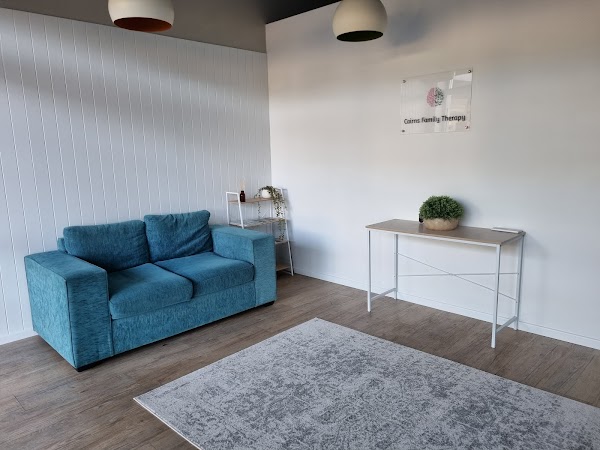
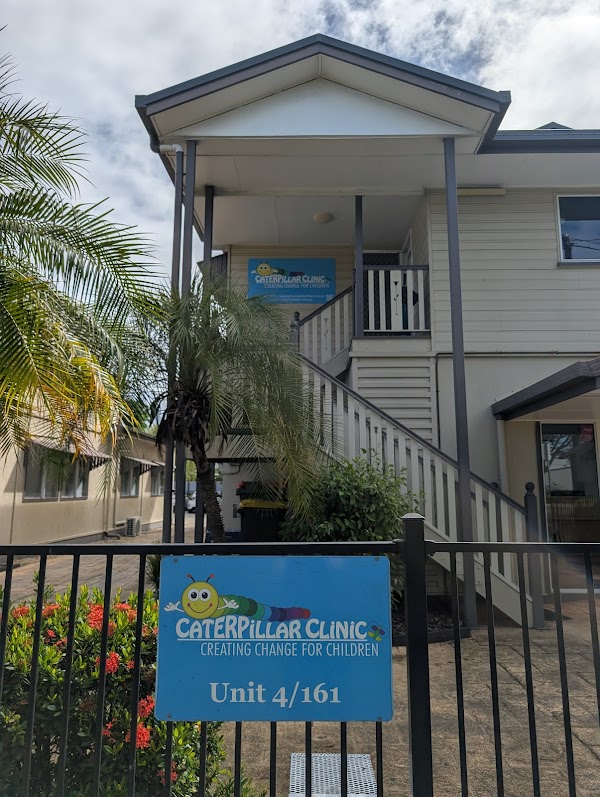
This page features Cairns providers including Allied Therapeutic Services Cairns (Bungalow), Cairns Family Therapy Psychology & Counselling (Smithfield), Aruma: Cairns (Manoora), Autism Queensland Cairns locations at Edmonton and Bungalow, CRAMLI Psychological and Behavioural Services (Smithfield), Inspire Early Intervention (Kewarra Beach), and Caterpillar Clinic (Bungalow). Contact them directly to confirm services, availability, and fees.
Questions to ask
- Are you NDIS-registered, and can you work with my child's plan management type?
- What are your practitioners' qualifications and registrations?
- How long is the current waitlist?
- What does the assessment process involve and how long does it take?
- How do you involve parents, carers, and the school?
- Do you offer telehealth for reviews?
- What are your fees and can I see a service agreement?
- How do you measure progress and review the plan?
Taking the time to ask these questions helps ensure you find a provider who suits your child and your family's goals.