Best Support Coordination in Geelong

Support coordination helps families make sense of an NDIS plan and turn it into real, working supports for their child. This guide explains what support coordination involves, how it's funded, and how to choose a provider in Geelong. It also features some of the local providers we list, ranked by rating.

Therapy
Suburb
8 providers in Geelong
Language For Life
1. Language For Life
5.0(7)· Geelong CBD
Paediatric

Multidisciplinary paediatric practice in Geelong CBD offering Speech Pathology, OT, Physiotherapy, Psychology, Dietetics, Positive Behaviour Support, Support Coordination, Plan Management and Allied Health Assistance. Physiotherapy treats from 1-day-old babies to adolescents. NDIS-related services mentioned; no explicit NDIS registration, telehealth, or waitlist details stated.

Geelong CBD, VIC
Better Rehab - Geelong
2. Better Rehab - Geelong
5.0(7)· Newtown
NDIS RegisteredPaediatric

Registered NDIS provider in Geelong (Newtown) offering occupational therapy, speech pathology, physiotherapy, and allied health assistant support. Services provided in-clinic, at home, in community, and via telehealth across the Barwon region. Open to NDIS and private-paying clients, no NDIS plan required.

MyKind Autism Services P/L
3. MyKind Autism Services P/L
4.4(7)· Newtown
Paediatric

Boutique Geelong-based team of NDIS Support Coordinators with lived experience of neurodiversity, specialising in supporting children and families with Autism and other neurodivergent conditions.

Step 2 Allied Health
4. Step 2 Allied Health
4.3(4)· South Geelong
Paediatric

Step 2 Allied Health serves Greater Geelong, Colac and Sale regions since 2020, offering occupational therapy, speech pathology, counselling, behaviour support, and support work/peer mentorship. Sister company Step 2 Plan Management provides plan management. No ages, NDIS registration, telehealth, or waitlist details specified.

South Geelong, VIC
Liberty Disability Services
5. Liberty Disability Services
4.2(17)· Norlane
Paediatric

Liberty Disability Services is an NDIS-registered provider offering Support Coordination, Plan Management, Psychology, Community Mentors, Respite, Group Programs, and Recovery Coaching. No specific paediatric age range, telehealth details, waitlist information, or named practitioners are mentioned.

Access Your Supports - Geelong
6. Access Your Supports - Geelong
3.0(30)· Geelong
NDIS RegisteredPaediatric

Registered NDIS provider in Geelong offering Plan Management, Employment Support, Peer Mentor Program, Behaviour Support, Psychology, Support Coordination, Therapy Assistants, Occupational Therapy, and Gemiini learning system. Serves NDIS participants including early childhood intervention; no specific ages, telehealth, or waitlist details mentioned.

Geronimo Allied Health - Geelong
7. Geronimo Allied Health - Geelong
No ratings yet· Newtown
NDIS RegisteredPaediatric

Geronimo Allied Health offers occupational therapy and NDIS support coordination for individuals aged 6 through adulthood across Geelong and Melton. Registered NDIS provider offering assessments, driving assessments, in-clinic, home, school, community, and telehealth sessions.

MAXIN specialist occupational therapy
8. MAXIN specialist occupational therapy
No ratings yet· North Geelong
Paediatric

Specialist occupational therapy in North Geelong/Greater Geelong/Melbourne, primarily for adults with neurological, degenerative, palliative or justice-involved needs; accepts child/youth referrals with similar conditions. Offers in-home, clinic, and telehealth appointments. Works with Plan-Managed NDIS participants who have Support Coordination in place.

North Geelong, VIC

Free · no obligation

Check availability with 3 local providers

One enquiry, three replies. We'll send your details to the 3 nearest children's therapy providers — compare replies and choose whoever suits your family best.

What support coordination involves for children

Support coordination is a service funded through the NDIS to help you understand and put your child's plan into action. A support coordinator works alongside your family to connect you with the right therapists, community services and mainstream supports, and to help you use your funding well across the length of the plan.

For children, this often means helping parents find and book allied health providers (like speech pathologists, occupational therapists and psychologists), coordinating between different professionals so everyone is working toward the same goals, and preparing for plan reviews. A good support coordinator also builds your confidence and capacity so that, over time, you can manage more of this yourself.

There are generally three levels: support connection (light-touch help to connect with services), support coordination (the most common level, helping you build and manage supports), and specialist support coordination (for more complex situations that need a higher level of expertise). Your child's plan will specify which level, if any, is funded.

Signs your child or family might benefit

Support coordination is about the family's need for help navigating the system, not the child's diagnosis alone. You might benefit if:

  • You've just received your child's first NDIS plan and feel unsure where to start.
  • You're finding it hard to locate providers with availability, or you're stuck on waitlists.
  • Your child sees several therapists and you need someone to help everyone coordinate.
  • You're spending hours chasing bookings, invoices or reports and it's affecting your family.
  • A plan review is coming up and you want help gathering evidence and preparing.

Suitable ages

Support coordination can be funded for a child of any age who has an NDIS plan, from early childhood through the teenage years. For children under 9, families often access the NDIS early childhood approach, where an early childhood partner may provide some of this navigation support. As children grow, support coordination can help with transitions such as starting school, moving to high school, or planning for adulthood.

What a first appointment looks like

Your first meeting is usually a relaxed conversation, often held at home, in the community, or via telehealth. The coordinator will want to understand your child's goals as written in the plan, your family's priorities, and any supports already in place. Bring a copy of the NDIS plan, any recent therapy reports, and a list of your questions.

From there, the coordinator will typically map out an action plan: which services to pursue, who to contact, and how funding will be allocated. They should explain how often you'll be in touch and how they'll track spending so the plan lasts its full duration.

Typical costs and NDIS funding

Support coordination is funded under the Capacity Building — Support Coordination budget in your child's NDIS plan. If it's funded, the hours come out of that dedicated allocation, so it doesn't reduce the funding available for therapy.

The NDIS sets maximum price limits for these services, and they're reviewed each year. As a general guide, support coordination and specialist support coordination are billed at an hourly rate set by the NDIS Pricing Arrangements, with specialist coordination attracting a higher cap. Providers can charge up to the cap but not above it. Because these figures change annually, always check the current NDIS Pricing Arrangements and Price Limits, and ask your provider to confirm their rate before you start. This is general information only and not financial advice.

How to choose a provider in Geelong

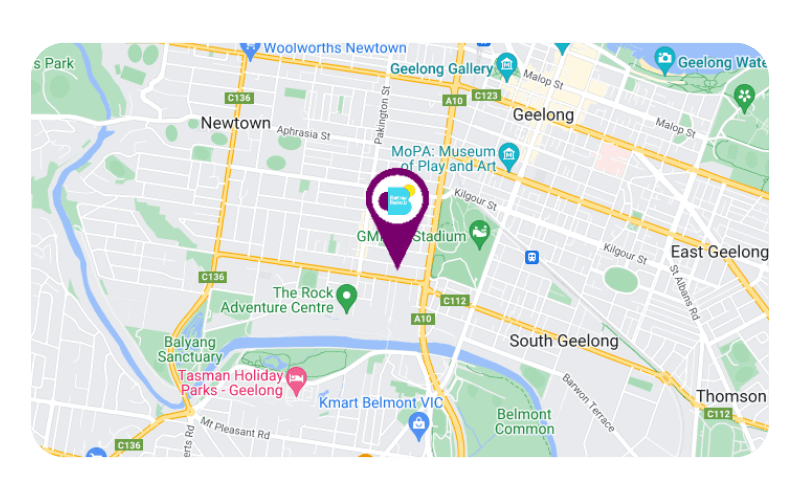
This page features local providers including Language For Life (Geelong CBD), Better Rehab – Geelong (Newtown), MyKind Autism Services (Newtown), Step 2 Allied Health (South Geelong), Liberty Disability Services (Norlane), Access Your Supports – Geelong, Geronimo Allied Health (Newtown) and MAXIN Specialist Occupational Therapy (North Geelong). When comparing them, consider:

  • NDIS registration: If your child's plan is NDIA-managed, you'll generally need a registered provider. Plan-managed and self-managed families have more flexibility. Confirm the provider's registration status.
  • Credentials: Support coordinators come from varied backgrounds. Some are allied health professionals registered with AHPRA, Speech Pathology Australia or Occupational Therapy Australia — this can be a bonus, especially for specialist support coordination. Ask about qualifications and experience with children.
  • Waitlists: Availability varies, so ask directly how soon they can start and how quickly they respond to messages.
  • Telehealth and travel: Ask whether they offer phone or video contact, meet in the community, or travel to your home, and how travel is charged.

Questions to ask

  • What level of support coordination do you provide, and how many hours do you expect my plan to use?
  • How do you track my child's funding so it lasts the whole plan?
  • What's your experience supporting children of my child's age and needs?
  • Are you NDIS registered, and how do you handle plan-managed families?
  • What are your current waitlists and typical response times?
  • Do you have any conflicts of interest — for example, do you also deliver therapy services?

Taking the time to ask these questions helps you find a coordinator who fits your family and gives your child the best chance of getting the right supports in place.
Other therapy types in Geelong

Or read the full support coordination guide, or browse all Geelong providers.

Frequently asked questions

Is support coordination funded by the NDIS?

Yes, when it's included in your child's plan. It sits under the Capacity Building — Support Coordination budget and is separate from therapy funding, so using it doesn't reduce the money available for other supports. Check your plan to see if and at what level it's funded.

What's the difference between support coordination and plan management?

Plan management handles the financial side — paying invoices and tracking your budget. Support coordination is about connecting you with services and helping you implement the plan. Some families have both, and they're funded under different budget lines.

Do I need a registered provider in Geelong?

If your child's plan is NDIA-managed, you generally need an NDIS registered provider. If you're plan-managed or self-managed, you have more flexibility. Always confirm a provider's registration status before signing an agreement.

How much does support coordination cost?

It's billed at an hourly rate capped by the NDIS Pricing Arrangements, which are reviewed each year. Specialist support coordination has a higher cap. Ask your provider to confirm their current rate, and note this is general information, not financial advice.

How do I know if a support coordinator is qualified?

Support coordinators come from different backgrounds. Ask about their experience with children and NDIS plans. Some are also allied health professionals registered with AHPRA, Speech Pathology Australia or Occupational Therapy Australia, which can be helpful for more complex needs.