What support coordination involves
Support coordination is a service that helps you understand your child's NDIS plan and put it into action. A support coordinator works alongside you to connect the funding in the plan with the right therapists, services and community supports. For families of children, this often means finding speech pathologists, occupational therapists, psychologists, early childhood providers and playgroups, then helping to book, review and adjust those services over time.
There are generally three levels: Support Connection (short-term help to build your ability to use your plan), Support Coordination (help to design and set up supports and build your skills to manage them), and Specialist Support Coordination (a higher-intensity level for more complex situations, such as when a child has multiple services, unstable circumstances or crisis needs). Your child's plan will specify which level, if any, is funded.
It's worth being clear about what a support coordinator does not do: they don't provide therapy, diagnose, or make medical recommendations. Their role is coordination — connecting you with qualified professionals and helping the plan run smoothly.
Signs your child might benefit
Many families choose support coordination when:
- The NDIS plan feels overwhelming or confusing and you're not sure where to start.
- Your child needs several different therapies and you're struggling to juggle bookings, invoices and providers.
- You've been quoted long waitlists and need help finding services with capacity.
- You're transitioning between services — for example, from early childhood supports to school-age therapy.
- A plan review or reassessment is coming up and you want help preparing evidence and reports.
- Your family circumstances are complex (housing, health, multiple children with needs) and you'd value hands-on help.
Suitable ages
Support coordination can be funded across all ages where it appears in an NDIS plan. For younger children (under 9), families often access help through the Early Childhood Approach, where an early childhood partner may provide some coordination support. For older children and teenagers, dedicated support coordination in the plan is common. The right approach depends on your child's plan and needs.
What a first appointment looks like
An initial meeting is usually about getting to know your family and your child's goals. Expect the coordinator to:
- Read through your NDIS plan with you and explain the funding lines.
- Ask about your child's day-to-day needs, current services and priorities.
- Talk through your preferences (for example, in-clinic vs telehealth, location, therapist specialties).
- Explain how they'll work with you, how often you'll be in contact, and how progress is recorded.
Many first appointments are offered by phone, video or in person. Ask what suits your family — telehealth can be handy if you're outside central Perth or managing a busy schedule.
Typical costs and NDIS funding lines
Support coordination is funded under Capacity Building — Support Coordination in your child's plan. Because it's plan-funded, you generally aren't paying out of pocket when it's included and used within your allocated hours.
The NDIS sets price caps for support coordination, and these are reviewed regularly. As a general guide, hourly rates in Australia sit roughly in the $100–$110 per hour range for standard support coordination, with specialist support coordination attracting a higher cap. These figures change, so always check the current NDIS Pricing Arrangements and Price Limits and confirm rates with the provider before you start. If support coordination isn't in your plan, it can be requested at your next review with supporting evidence.
How to choose a provider in Perth
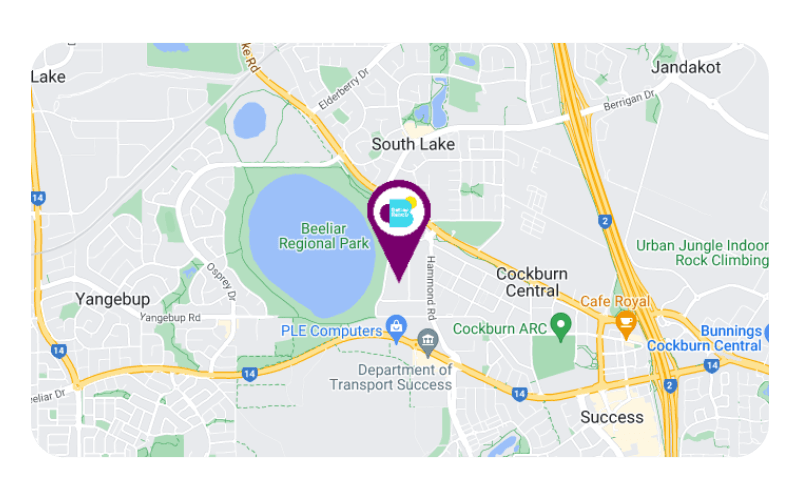
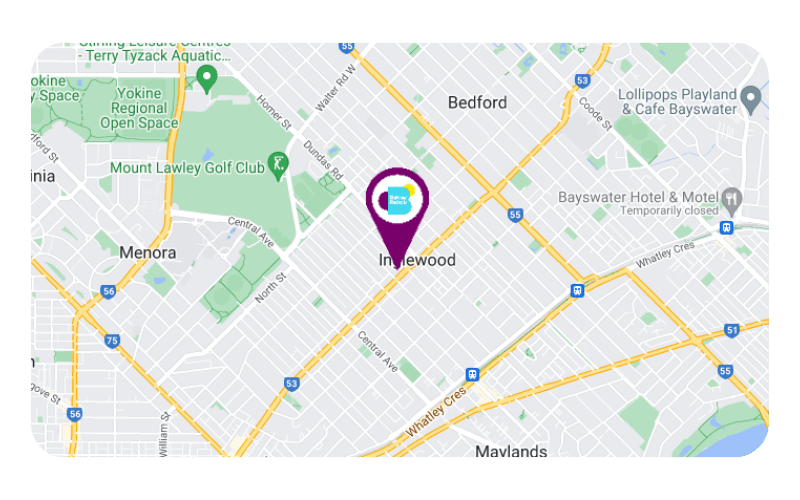
When comparing providers — including those featured on this page such as Bespoke OT (Booragoon), Language For Life (Perth CBD), Morph Therapy (Booragoon), Ability Action Australia (Balcatta), Better Rehab (Inglewood) and Therapy for Kids Perth across several suburbs — consider:
- NDIS registration: Check whether the provider is a registered NDIS provider. Registered providers must meet quality and safeguards standards, though unregistered providers can also deliver support coordination for plan- and self-managed participants.
- Credentials and background: Support coordinators come from varied professional backgrounds. Many organisations also employ allied health professionals — look for recognised credentials such as AHPRA registration, membership of Speech Pathology Australia, or Occupational Therapy Australia where relevant.
- Waitlists: Ask directly how long the wait is for a first appointment and for ongoing capacity, as this varies widely across Perth.
- Location and telehealth: Consider travel time to suburbs like Booragoon, Balcatta, Inglewood or Fremantle, and whether telehealth is offered.
- Reviews: Ratings and review counts can be a useful starting point, but always speak with the provider yourself.
Questions to ask
- Are you a registered NDIS provider, and what level of support coordination do you offer?
- What are your current waitlists for a first appointment?
- How many hours per week or month do you recommend, and how will you track my funding?
- Do you offer telehealth as well as face-to-face support?
- How do you help prepare for plan reviews?
- How will we stay in contact, and who do I call if something urgent comes up?
Taking the time to ask these questions helps you find a coordinator who fits your family's needs and makes your child's NDIS plan work as intended.