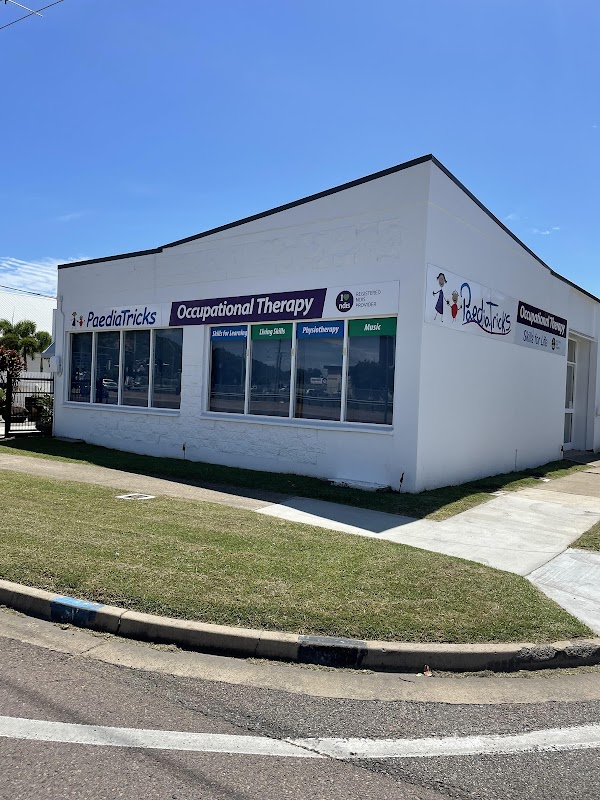
What occupational therapy involves for children
Occupational therapy supports children to participate in the everyday “occupations” of childhood — things like getting dressed, using cutlery, holding a pencil, playing with other kids and managing the sensory demands of a busy classroom. A paediatric occupational therapist looks at how a child's body, brain and environment work together, then builds practical strategies and skills through play-based activities.
Common areas an OT may work on include:
- Fine motor skills — grasp, hand strength, handwriting, using scissors and doing up buttons.
- Gross motor and coordination — balance, body awareness and motor planning.
- Sensory processing — helping children who are over- or under-sensitive to sound, touch, movement or textures.
- Daily-living (self-care) skills — toileting, dressing, feeding and sleep routines.
- Play, attention and regulation — building focus, emotional regulation and social play.
Signs a child might benefit from support
Every child develops at their own pace, but you might consider an OT assessment if your child:
- Avoids or struggles with drawing, writing or using scissors
- Finds dressing, using cutlery or self-care tasks harder than peers
- Is very sensitive to noise, clothing tags, textures or messy play — or seeks out lots of movement
- Has trouble with balance, coordination or seems clumsy
- Gets easily overwhelmed, has big emotional reactions, or finds it hard to settle
- Struggles to keep up with classroom tasks or self-care routines at school
OT is suitable across a wide age range, from toddlers and preschoolers through to primary and high-school students. Early support can be helpful, but it's never “too late” to start.
What a first appointment looks like
An initial appointment usually begins with a conversation about your concerns, your child's history and your goals. The therapist may observe your child playing, complete standardised assessments, and sometimes gather information from your child's school or early learning centre (with your consent).
After the assessment, the OT typically provides a summary of findings and recommendations, and works with you to set goals. Ongoing sessions are often play-based and may run weekly or fortnightly, with strategies and “homework” to practise between visits. Many providers also offer parent coaching so you can support skills at home.
Typical costs and NDIS funding
Occupational therapy fees in Australia generally range from around $190 to $220+ per hour. The NDIS publishes price caps for therapy supports, and registered providers should charge within those limits. Actual fees vary between providers, so always ask for a written quote and a service agreement before you start. Assessments and detailed reports may be billed separately, so check what's included.
If your child has an NDIS plan, OT is usually funded under Capacity Building – Improved Daily Living. This budget can cover assessments, therapy sessions, reports and some parent training. How you access it depends on how your plan is managed:
- Self-managed — you can use registered or non-registered providers.
- Plan-managed — a plan manager pays invoices; you can generally use non-registered providers.
- NDIA-managed — you must use NDIS-registered providers.
Some families also access OT through Medicare (with a GP referral and a Chronic Disease Management plan, which offers a limited number of subsidised sessions per year), private health extras, or by paying privately. This is general information only — check your specific plan and eligibility.
How to choose a provider in Townsville
Townsville has a good spread of paediatric OT services across suburbs including Townsville City, Idalia, West End, Aitkenvale, Kirwan and Cranbrook. When comparing providers, consider:
- Registration — confirm whether the provider is NDIS-registered if your plan requires it.
- Credentials — occupational therapists must be registered with AHPRA (the Australian Health Practitioner Regulation Agency). You can check registration on the AHPRA public register. Membership of Occupational Therapy Australia is a further sign of professional standing.
- Paediatric experience — ask whether the therapist specialises in children and in your child's specific needs (for example, sensory processing or handwriting).
- Waitlists — wait times can vary from a few weeks to several months, so ask early and get on more than one list if needed.
- Telehealth — useful for parent coaching or if you're outside central Townsville; ask whether it suits your child.
- Location and logistics — consider clinic-based, home or school visits, and whether after-school appointments are available.
Questions to ask before booking
- Are you NDIS-registered, and do you work with self-managed and plan-managed families?
- Is the therapist AHPRA-registered and experienced with children my child's age?
- What is your current waitlist for an initial appointment?
- What are your fees, and do assessments or reports cost extra?
- Will you liaise with my child's school or kindy?
- Do you offer home visits, school visits or telehealth?
- How do you set goals and measure progress?
- Who will we see — the same therapist each session?
Taking the time to ask these questions helps you find a provider who's the right fit for your child and family. If you're unsure where to start, your GP, paediatrician or NDIS support coordinator can also point you in the right direction.