What therapy assistants and group programs involve for children
A therapy assistant (sometimes called an allied health assistant, or AHA) works under the direction of a qualified allied health professional — such as a speech pathologist, occupational therapist or physiotherapist. The lead therapist sets the goals and program, then the assistant delivers regular, hands-on practice sessions. Because assistants work at a lower hourly rate, this model lets your child get more frequent support while stretching your funding further.
Group programs bring several children together to work on shared goals — for example, social skills, play skills, emotional regulation, fine-motor tasks or early literacy. Groups are usually planned and supervised by an allied health professional and are a great way for children to practise skills with peers in a natural, motivating setting.
Signs your child might benefit
Every child develops at their own pace, but you might consider extra support if your child:
- Finds it hard to make or keep friends, or to join in group play
- Struggles with taking turns, sharing or managing big feelings
- Needs lots of repetition to consolidate skills a therapist is already working on
- Is working towards speech, motor or daily-living goals and would benefit from more frequent practice
- Feels more comfortable learning alongside other kids than in one-on-one sessions
These are general observations only, not a diagnosis. A qualified therapist can help you work out whether an assistant-led or group program suits your child.
Suitable ages
Group and assistant programs run for a wide age range — from toddlers and preschoolers through to primary-school and teenage years. Groups are usually organised by age and stage so children are matched with peers at a similar level. When you enquire, ask which age brackets each program caters for.
What a first appointment looks like
For an assistant-led program, you'll typically start with an assessment or planning session with the supervising therapist. They'll get to know your child, set goals, and design a program the assistant will deliver. For a group, there's often a short intake chat or observation session to check the group is a good match and to understand your child's needs.
Come prepared to talk about your child's strengths, challenges, any diagnoses or reports, and what you'd like them to get out of the program. Bring your NDIS plan if you have one, plus any recent therapy reports.
Typical costs and NDIS funding
As a general guide in Australia, allied health assistant sessions often sit around $55–$90 per hour, while therapist-led services are higher (frequently $180–$220+ per hour). Group programs are usually priced per session and are often more affordable per child because the cost is shared.
The NDIS sets maximum price limits in its annual Pricing Arrangements, and these caps change, so always confirm current rates directly with the provider. These figures are a general indication only.
Under the NDIS, therapy assistant and group supports are usually funded from your Capacity Building — Improved Daily Living budget. Some social and community group programs may draw on Core supports instead. If you're self-managed or plan-managed, you'll have more flexibility over which providers you use; agency-managed plans require NDIS-registered providers. Your support coordinator or plan manager can help you understand which line applies.
How to choose a provider in Ballarat
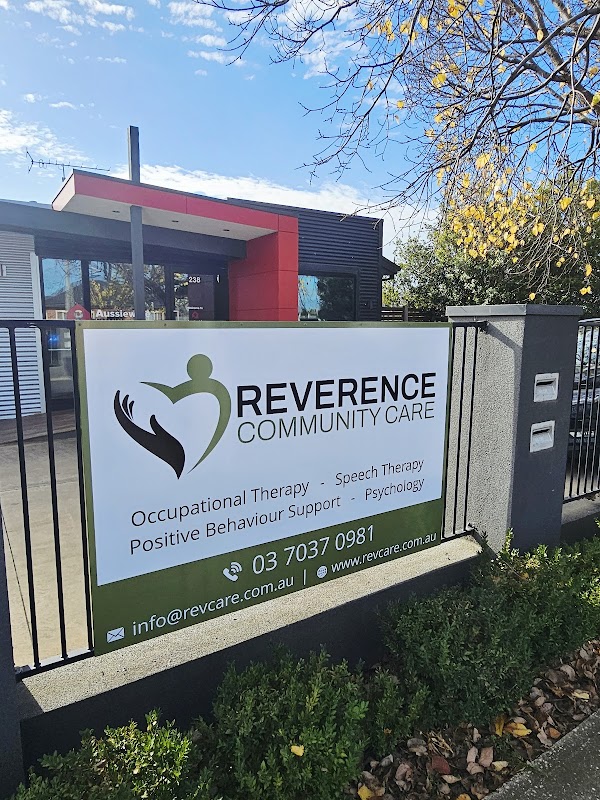
This page features Reverence Community Care (based in Bacchus Marsh, rated 4.9★ from 29 reviews) and National 360 Ballarat (Ballarat Central). When comparing these or any provider, look at:
- NDIS registration — check whether the provider is NDIS-registered, especially if your plan is agency-managed. Registration status is easy to confirm when you enquire.
- Therapist credentials — ask who supervises the assistants or groups. Speech pathologists should be certified with Speech Pathology Australia, occupational therapists registered with AHPRA (and often members of Occupational Therapy Australia), and psychologists registered with AHPRA. Assistants should always work under a qualified professional's direction.
- Waitlists — demand for children's services in regional Victoria can be high. Ask how long the wait is for both intake and ongoing sessions.
- Telehealth options — some planning and supervision can be done via video, which can help if you're outside Ballarat or juggling travel.
- Group fit — ask about group size, age range, goals, and the ratio of staff to children.
Questions to ask before you commit
- Is the assistant program supervised by a qualified therapist, and how often does that therapist review my child's progress?
- What are the qualifications and registrations of your staff?
- Are you NDIS-registered, and which funding line will these supports come from?
- What are your current fees, and do they align with NDIS price limits?
- How long is the waitlist, and how often will my child attend?
- How do you measure progress and keep me updated?
- What's the group size, age range and goal focus?
- Do you offer telehealth for planning or reviews?
Taking the time to ask these questions helps you find a program that genuinely suits your child — and makes the most of your funding.