What speech pathology involves for children
Speech pathologists (sometimes called speech therapists) support far more than just pronouncing sounds clearly. For children, this can include spoken language (understanding and using words and sentences), speech sound production, stuttering and fluency, social communication, early literacy, and using alternative communication such as picture boards or communication apps. Many speech pathologists also assess and treat feeding and swallowing difficulties, helping fussy eaters and children who struggle with textures or mealtimes.
Therapy is usually play-based and tailored to your child's goals. A therapist might use games, books, songs and everyday routines to build skills, and will often coach you as a parent so you can support progress at home.
Signs your child might benefit from support
Every child develops at their own pace, but it can be worth booking an assessment if your child:
- Isn't using many words by around 18–24 months, or isn't combining words by age two
- Is hard for unfamiliar people to understand by age three
- Struggles to follow simple instructions or answer questions
- Repeats sounds or words, or gets stuck (stuttering)
- Has trouble interacting or playing with other children
- Finds eating difficult — gagging, limited textures or very restricted food choices
- Has had frequent ear infections that may affect hearing and speech
If you have concerns, trust your instincts. Early support tends to make a real difference, and you don't need to wait for a referral to see a private speech pathologist.
Suitable ages
Speech pathologists work with children of all ages, from babies with feeding difficulties through to teenagers refining social and literacy skills. Early intervention (roughly birth to school age) is a common focus, but support is valuable at any stage where communication or feeding is affecting daily life and learning.
What a first appointment looks like
An initial appointment usually involves a conversation about your concerns, your child's history, and your goals. The speech pathologist will observe and interact with your child through play or structured activities, and may use formal assessments to understand their strengths and needs. You'll typically leave with a clearer picture of what's happening and some initial recommendations. A written report and therapy plan may follow, sometimes at an additional cost.
Bring along any relevant reports (hearing tests, previous assessments, medical letters) and a list of your questions.
Typical AU costs and NDIS funding
As a general guide, private speech pathology sessions in Australia commonly range from around $180 to $220+ per hour. The NDIS publishes price caps for therapy supports, and registered providers can't charge above the relevant cap. Assessments and report writing are usually billed at the same hourly rate. These figures are general ranges only — always confirm current fees directly with the provider.
Under the NDIS, speech pathology usually falls under Capacity Building — Improved Daily Living. If your child is NDIS-funded, this budget can typically be used for assessments, therapy sessions, reports and therapy planning. How you access this depends on how your plan is managed:
- NDIA-managed: you generally need to use an NDIS-registered provider.
- Plan-managed or self-managed: you can often use registered or non-registered providers, giving you more choice.
If you don't have NDIS funding, some costs may be partly covered under a Medicare Chronic Disease Management plan (with a GP referral) or private health extras — check your eligibility.
How to choose a provider on the Central Coast
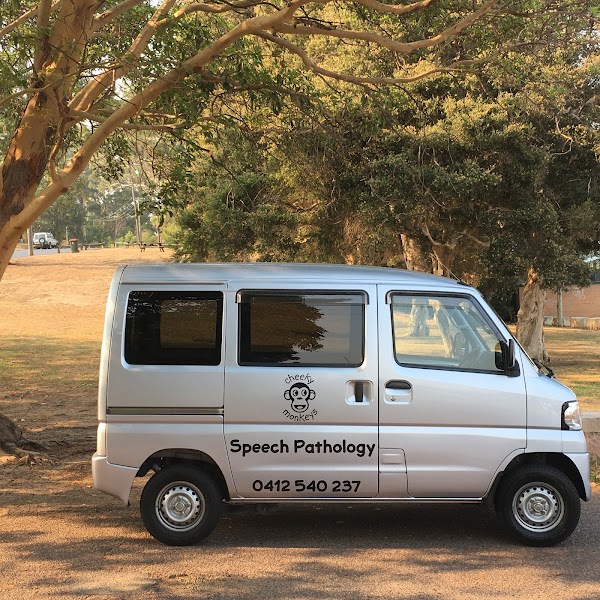
This page features Central Coast providers including Cheeky Monkeys Speech Pathology (Springfield), Eat Talk Play (Erina), Erina Speech and Language, Building Blocks Therapy Hub (Gosford), ORS Gosford and others across Gosford, Erina, Lake Haven and Tumbi Umbi. When comparing options, consider:
- Credentials: Check the therapist is a Certified Practising Speech Pathologist and a member of Speech Pathology Australia. This confirms qualifications and ongoing professional standards.
- NDIS registration: If your plan is NDIA-managed, confirm the provider is NDIS-registered. Plan- and self-managed families have more flexibility but should still check credentials.
- Waitlists: Waitlists can be long, especially in high-demand areas. Ask how long you'll wait for an initial appointment and for ongoing sessions.
- Experience with your child's needs: Ask whether they regularly work with your child's age group and specific area, such as feeding, stuttering or early language.
- Location and telehealth: Consider clinic location, whether they offer home, school or childcare visits, and whether telehealth is available for convenience or if travel is difficult.
- Approach: Ask how they involve parents, set goals and measure progress.
Questions to ask before booking
- Are you a Certified Practising Speech Pathologist with Speech Pathology Australia?
- Are you NDIS-registered, and can you support plan-managed or self-managed families?
- What's your current waitlist for an initial appointment?
- Do you have experience with my child's specific needs?
- What are your fees for assessment, therapy and reports?
- How do you involve parents and set goals?
- Do you offer telehealth or visits to home, school or childcare?
Taking the time to ask these questions helps you find a provider who's the right fit for your child and your family's circumstances.