What speech pathology involves for children
Speech pathologists (sometimes called speech therapists) help children develop the skills they need to communicate, understand language, and in many cases eat and drink safely. Despite the name, the work covers far more than just clear speech. A paediatric speech pathologist may support:
- Speech sounds — helping a child pronounce sounds and words clearly.
- Expressive language — building vocabulary, sentences and the ability to share ideas.
- Receptive language — understanding what others say, following instructions and answering questions.
- Social communication — taking turns, making conversation and reading social cues.
- Fluency — supporting children who stutter.
- Feeding and swallowing — helping fussy or difficult eaters, and children with medical feeding needs, to eat and drink safely.
- Early literacy — the language foundations for reading and writing.
Some Gold Coast clinics, such as Nourish, Feed and Thrive in Benowa, focus specifically on feeding therapy alongside communication support.
Signs your child might benefit from support
Every child develops at their own pace, but some common signs that a professional opinion may help include:
- Not babbling by around 12 months or not using single words by 18 months.
- Fewer words than expected, or difficulty combining words into short sentences by age two to three.
- Speech that is hard for unfamiliar people to understand at age three or four.
- Trouble following simple instructions or answering questions.
- Frustration, tantrums or withdrawal linked to not being understood.
- Stuttering or repeating sounds and words.
- Very limited food range, gagging, or difficulty chewing and swallowing.
If you have concerns, it's worth acting early. Speech pathologists work with children from infancy through the school years, and earlier support often means better outcomes.
What a first appointment looks like
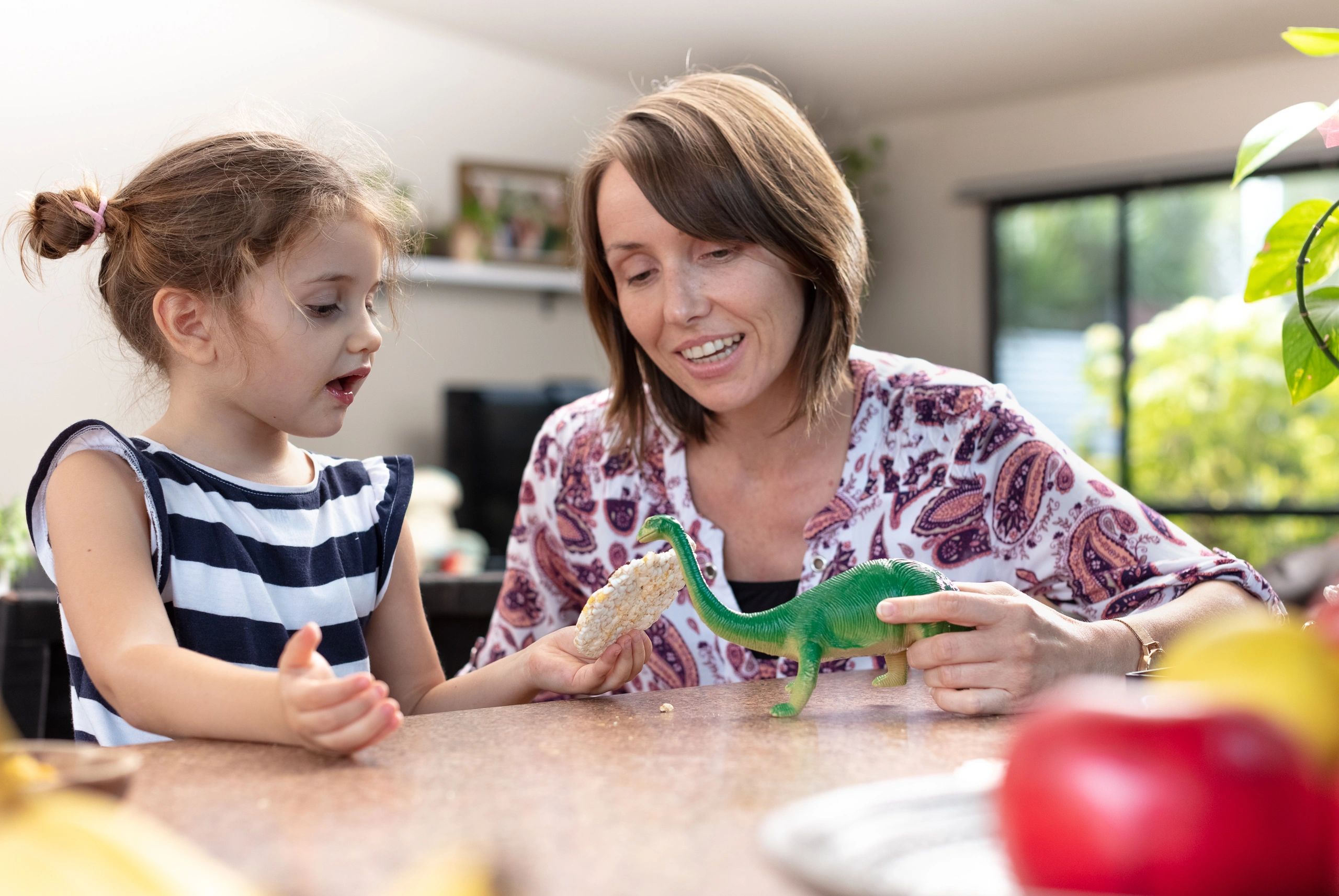
A first appointment is usually an assessment. The speech pathologist will chat with you about your child's history, your concerns and your goals. They may play with your child, use structured activities, or run standardised assessments depending on your child's age and needs. Many clinics keep the session play-based so your child feels relaxed.
Afterwards, the therapist will explain what they observed and recommend a plan — this might include a block of regular sessions, a home program, or a review down the track. It's a good idea to bring along any reports from your GP, paediatrician, childcare or school, and to write down your questions beforehand.
Typical costs and NDIS funding
As a general guide, private speech pathology sessions in Australia often range from around $150 to $220 per session, with assessments and detailed reports sometimes costing more. The NDIS publishes price caps for registered providers, and many clinics set their fees in line with these caps. These figures are indicative only — always confirm current pricing directly with the provider.
Under the NDIS, speech pathology usually sits under Capacity Building — Improved Daily Living. If your child has an NDIS plan, you can use this funding to pay for therapy. How you access it depends on how your plan is managed:
- Self-managed — you can choose any provider, registered or not.
- Plan-managed — a plan manager pays invoices; you have flexibility in providers.
- NDIA-managed (agency-managed) — you generally need to use NDIS-registered providers.
If your child isn't on the NDIS, you may be able to access some Medicare rebates through a GP-referred Chronic Disease Management or similar plan, or use private health extras. Ask the clinic what options apply.
How to choose a provider on the Gold Coast
With clinics spread from Nerang and Carrara through to Varsity Lakes, Southport and Surfers Paradise, location and fit both matter. Consider:
- Credentials — check the therapist is a Certified Practising Speech Pathologist and a member of Speech Pathology Australia. This confirms they meet national professional standards.
- NDIS registration — if you're agency-managed, confirm the provider is NDIS-registered. Even if you're plan- or self-managed, it's worth asking.
- Waitlists — demand is high on the Gold Coast and waitlists vary. Ask how long the wait is for both assessment and ongoing therapy.
- Experience with your child's needs — a clinic experienced in feeding, stuttering or autism, for example, may suit your child better.
- Telehealth — many providers offer video sessions, which can help with waitlists or if travel is difficult.
- Location and parking — a convenient clinic makes regular attendance easier.
Questions to ask before you book
- Are your speech pathologists Certified Practising members of Speech Pathology Australia?
- Are you NDIS-registered, and do you work with self- and plan-managed clients?
- What's the current waitlist for assessment and ongoing sessions?
- Do you have experience with my child's specific area of need?
- Do you offer telehealth, home visits or school visits?
- How will you involve me and set goals, and how do you measure progress?
- What are your fees, including assessments and reports?
This page features a range of Gold Coast providers — including Teddy Talk Speech Pathology, Tok Tok Therapies, Mermaid Speech Therapy for Kids, Speech For Kids, Everyday Independence and others — so you can compare ratings and locations. Take the time to contact a couple of clinics, ask your questions, and choose the one that feels right for your family.