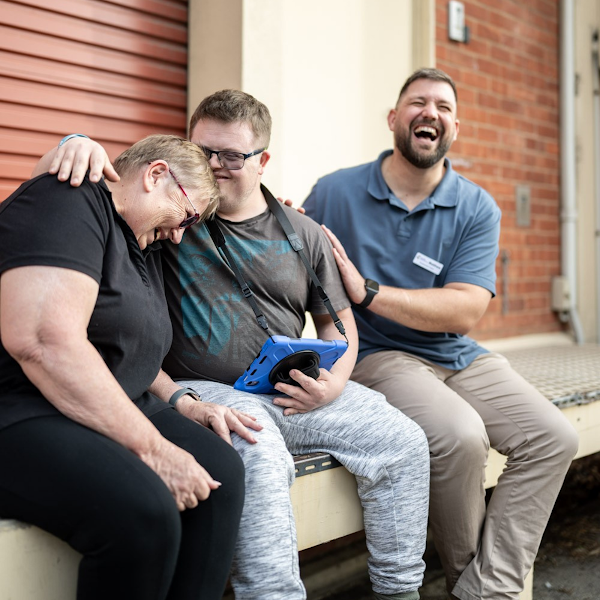
1. Everyday Independence Launceston
5.0(9)· Launceston
Paediatric
Website content unavailable due to access restrictions (blocked by Wordfence security plugin); no factual details could be extracted.
Launceston, TAS
Early intervention gives young children with developmental delay or disability the best possible start by building skills during the years when the brain is most adaptable. This guide explains what early intervention involves, how it's funded through the NDIS, and how to choose a provider in Launceston. The page also features local services including Everyday Independence Launceston, Early Start Australia - Tasmania North, Bright Space Therapy and others listed below.
Website content unavailable due to access restrictions (blocked by Wordfence security plugin); no factual details could be extracted.
Multidisciplinary paediatric provider in Launceston offering speech pathology, OT, physiotherapy, psychology, dietetics, early intervention, art/music therapy and allied health assistants for ages 0-16, plus adult services. Offers in-clinic, off-site and state-wide telehealth appointments across Tasmania.
Sky Podiatry is a Launceston-based podiatry clinic in Prospect, TAS, treating patients of all ages including kids podiatry/biomechanical assessments, sports injuries, orthotics, and ingrown toenails. Founder AHPRA-registered since 2015. No mention of NDIS registration, telehealth, or waitlists.

Emerge Allied Health is a Tasmanian, family-focused multidisciplinary practice for children and young people, offering Psychology, Speech Pathology, Occupational Therapy, Physiotherapy, and early childhood intervention services, aiming to provide holistic, evidence-based supports under one roof.
Solo speech pathology practice in Launceston, TAS, offering assessment and therapy for children aged 0-12 with speech and language delays or disorders. Practitioner is a Certified Practicing member of Speech Pathology Australia, currently on maternity leave, returning late 2025.
Occupational therapy provider serving children over 5, adults, and aged care clients in Tasmania. Offers assessments, individual therapy, and reports via in-clinic, telehealth, and home/community visits. Accepts NDIS, Home Care Package, CHSP, and private referrals.
Launceston-based child counselling/play therapy practice run by an Accredited Mental Health Social Worker. Accepts self-managed and plan-managed NDIS participants (not NDIA-managed); Medicare rebates available with GP Mental Health Treatment Plan. No cognitive/neurodevelopmental assessments offered. Currently closed indefinitely from August 2026 for maternity leave.
Tasmania-based provider offering neuro-affirming, trauma-informed psychological supports, early intervention and behaviour support for children, adolescents, adults and families. Accepts NDIS (self- and plan-managed), Medicare GP Mental Health Treatment Plans, and private fee-for-service. Has a waitlist join form; no telehealth or specific practitioner names mentioned.
Early intervention is support provided to children aged roughly 0-6 who have (or are at risk of) developmental delay or disability. Rather than a single treatment, it's usually a coordinated approach across several professions — often speech pathology, occupational therapy, physiotherapy, psychology and early childhood educators working together. In Launceston, multidisciplinary teams may collaborate around one child so that goals set in speech therapy also carry through into play, home routines and childcare.
The focus is on practical, everyday skills: communication, play, movement, self-care (like feeding and dressing), emotional regulation and social interaction. Modern early intervention emphasises coaching parents and carers, because children learn best in familiar settings through everyday activities — not just during therapy sessions.
Every child develops at their own pace, but you may want to seek an assessment if you notice your child:
You don't need a formal diagnosis to start. Trusting your instincts and acting early tends to lead to better outcomes than waiting to "see how they go".
Early intervention generally targets children from birth to school age (0-6). Under the NDIS, children under 9 with developmental concerns are supported through the early childhood approach, which can help families access support even before a firm diagnosis. The earlier support begins, the more it can shape a child's developmental trajectory — but it's never "too late" to start.
A first visit is usually about getting to know your child and family. Expect the therapist to ask about your pregnancy and birth, milestones, health history, and your main concerns and goals. Much of the session may look like play — the clinician observes how your child communicates, moves and interacts. Some providers offer home visits or telehealth, which can be less stressful for young children.
You'll typically leave with an initial impression, suggested next steps and, if needed, a plan for formal assessment. Bring any reports from your GP, paediatrician or child health nurse.
Allied health therapy in Australia commonly ranges from roughly $180 to $220 per session or hour, depending on the profession and session length. The NDIS publishes price caps (a maximum providers can charge NDIS participants), which are reviewed each year — these figures are general guidance only and change over time, so always confirm current pricing directly with the provider.
Under the NDIS, early intervention supports usually sit under Capacity Building budgets — specifically "Improved Daily Living" (therapy) and sometimes "Improved Relationships" or "Improved Health and Wellbeing". If your child isn't on the NDIS, you may be able to access some support via a GP Chronic Disease Management (Medicare) plan for a limited number of subsidised sessions, or pay privately. A local NDIS early childhood partner can help you understand what your child is eligible for.
When comparing providers, check:
The providers featured on this page range from multidisciplinary allied health teams to individual speech pathology and occupational therapy practices, so it's worth contacting a few to compare fit and availability.
Taking the time to ask these questions helps you find a provider that suits your child and family — and gives your child the strongest possible foundation.
Or read the full early intervention guide, or browse all Launceston providers.
No. You don't need a formal diagnosis to begin. The NDIS early childhood approach supports children under 9 with developmental concerns, and many Launceston providers can start with an assessment based on your concerns or a referral from your GP or child health nurse.
Early intervention therapy is usually funded through Capacity Building budgets, most commonly 'Improved Daily Living'. An NDIS early childhood partner can help you understand your child's eligibility and how their plan can be used. Always confirm current price caps, as they're reviewed yearly.
Allied health sessions in Australia generally range from about $180 to $220 per hour, depending on the profession. NDIS price caps set a maximum for participants, but figures change over time, so confirm current pricing directly with each provider. Some Medicare-subsidised sessions may also be available via a GP plan.
Speech pathologists should be certified with Speech Pathology Australia; occupational therapists, physiotherapists and psychologists should be registered with AHPRA (OTs may also belong to Occupational Therapy Australia). It's reasonable to ask any provider about their qualifications and registration.
Yes, waitlists are common for early intervention in regional areas. It's a good idea to ask each provider about their current wait time and to consider joining more than one waitlist. Some providers also offer telehealth, which can reduce waiting and travel.