What therapy assistants and groups involve for children
An allied health assistant (AHA) works under the direction and supervision of a qualified allied health professional — such as a speech pathologist, occupational therapist or physiotherapist. The lead therapist sets goals and a plan, and the assistant helps deliver the hands-on practice sessions that build a child's skills over time. Because assistant time is generally charged at a lower rate than a fully qualified therapist, families can often fit in more regular practice within the same budget.
Group programs bring a small number of children together to work on shared goals — for example, social communication, play skills, emotional regulation, fine motor tasks or school readiness. Groups are led or supervised by qualified clinicians, sometimes with assistants supporting. Many children benefit from learning alongside peers, as it gives them natural chances to practise turn-taking, listening and making friends in a supported setting.
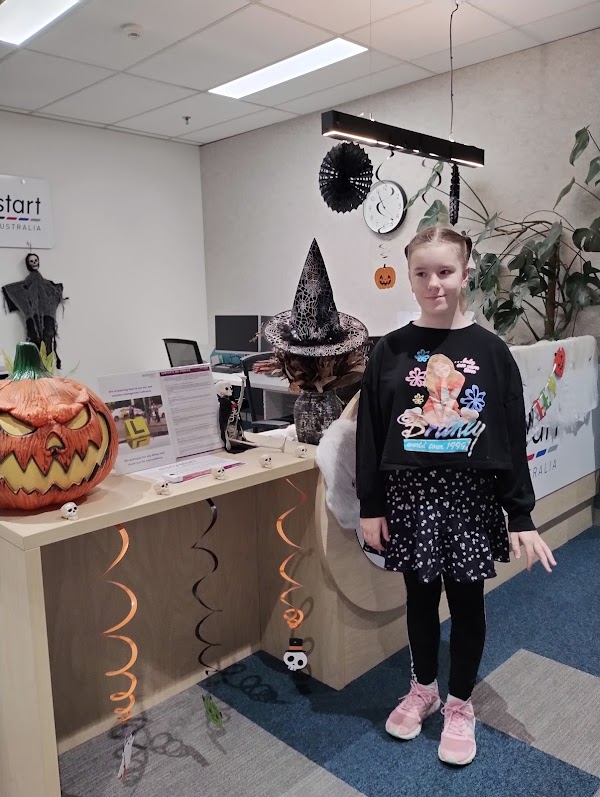
The page currently features Early Start Australia – Tasmania North in Launceston, which offers allied-health services in the region.
Signs a child might benefit
Every child develops at their own pace, but you might consider extra support if your child:
- Struggles to keep up with peers in speech, language or social skills
- Finds it hard to join in group play or take turns
- Has difficulty with attention, following routines or managing big feelings
- Needs more repetition and practice than a weekly therapy session can offer
- Has coordination, handwriting or self-care challenges
- Is preparing for the transition to kinder, prep or school
An assessment by a qualified allied health professional is the best way to understand what your child needs. This guide is general information only and is not a substitute for professional advice.
Suitable ages
Therapy assistant sessions and groups run across a wide age range, from toddlers through to teenagers. Programs are usually grouped by age and developmental stage — for example, early-years social play groups, primary-aged social skills groups, or school-readiness programs. Ask providers which programs suit your child's age and goals.
What a first appointment looks like
The first step is usually an appointment with the lead therapist (not the assistant). They'll talk with you about your child's strengths, challenges and goals, and may do some informal observation or a structured assessment. From there, they'll recommend a mix of supports — which might include individual therapy, assistant-led practice sessions, and/or a suitable group. For groups, providers often check that your child is a good fit before enrolling, so the group works well for everyone.
Bring along any previous reports, your child's NDIS plan (if you have one), and a short list of the things you'd most like help with.
Typical costs and NDIS funding
Under the NDIS, therapy supports are usually funded through the Capacity Building – Improved Daily Living budget. Allied health assistant time and group programs are commonly funded here, and using assistant hours can stretch your plan further.
As a general guide, NDIS price caps apply to these supports. Allied health assistant sessions are typically in the range of $55–$90 per hour, while therapist-led sessions sit higher, often $180–$220 per hour at the current NDIS cap. Group programs are usually charged per session and vary depending on ratio and length. These figures are indicative only — always confirm current pricing directly with the provider, as rates change and the NDIS updates its price limits regularly.
If you're self-funding, ask for a clear written quote before you start. Some private health extras may contribute to certain services — check with your fund.
How to choose a provider in Launceston
- NDIS registration: If you're NDIS-managed, check whether the provider is NDIS registered. Plan-managed and self-managed participants have more flexibility, but it's still worth confirming.
- Therapist credentials: Make sure the supervising clinicians hold the right qualifications — speech pathologists should be certified with Speech Pathology Australia, occupational therapists registered with AHPRA (and often members of Occupational Therapy Australia), and physiotherapists registered with AHPRA. Ask who supervises the assistants and how often.
- Waitlists: Waitlists can be long in regional Tasmania. Ask how long the wait is for both assessment and ongoing sessions, and whether they can put you on a cancellation list.
- Telehealth: Ask whether telehealth is available for reviews or between-session coaching — it can be handy if travel is difficult.
- Group fit: For groups, ask about group size, age range, staff-to-child ratio, and how goals are tracked.
Questions to ask
- Who sets and reviews my child's goals, and how often?
- What are the assistant's qualifications, and who supervises them?
- How do you measure progress?
- What's the waitlist for assessment and ongoing sessions?
- Which NDIS budget do you bill against, and can I see the pricing in writing?
- Is there a group that suits my child's age and needs?
- What happens if a group isn't the right fit?
Taking the time to ask these questions upfront helps you choose a provider that suits your child and gives you confidence in the plan ahead.