Best Early Intervention in Hobart

Early intervention gives young children with developmental delay the best chance to build skills during the years their brains are most adaptable. This guide explains what early intervention involves, how it's funded through the NDIS, and how to choose a Hobart provider. It also features local services including FLEX Health Therapy, Umbrella Therapy Services, Early Start Australia, Optimum Health Solutions and others listed above.

Therapy
Suburb
28 providers in Hobart
FLEX Health Therapy
1. FLEX Health Therapy
5.0(42)· Hobart
Paediatric

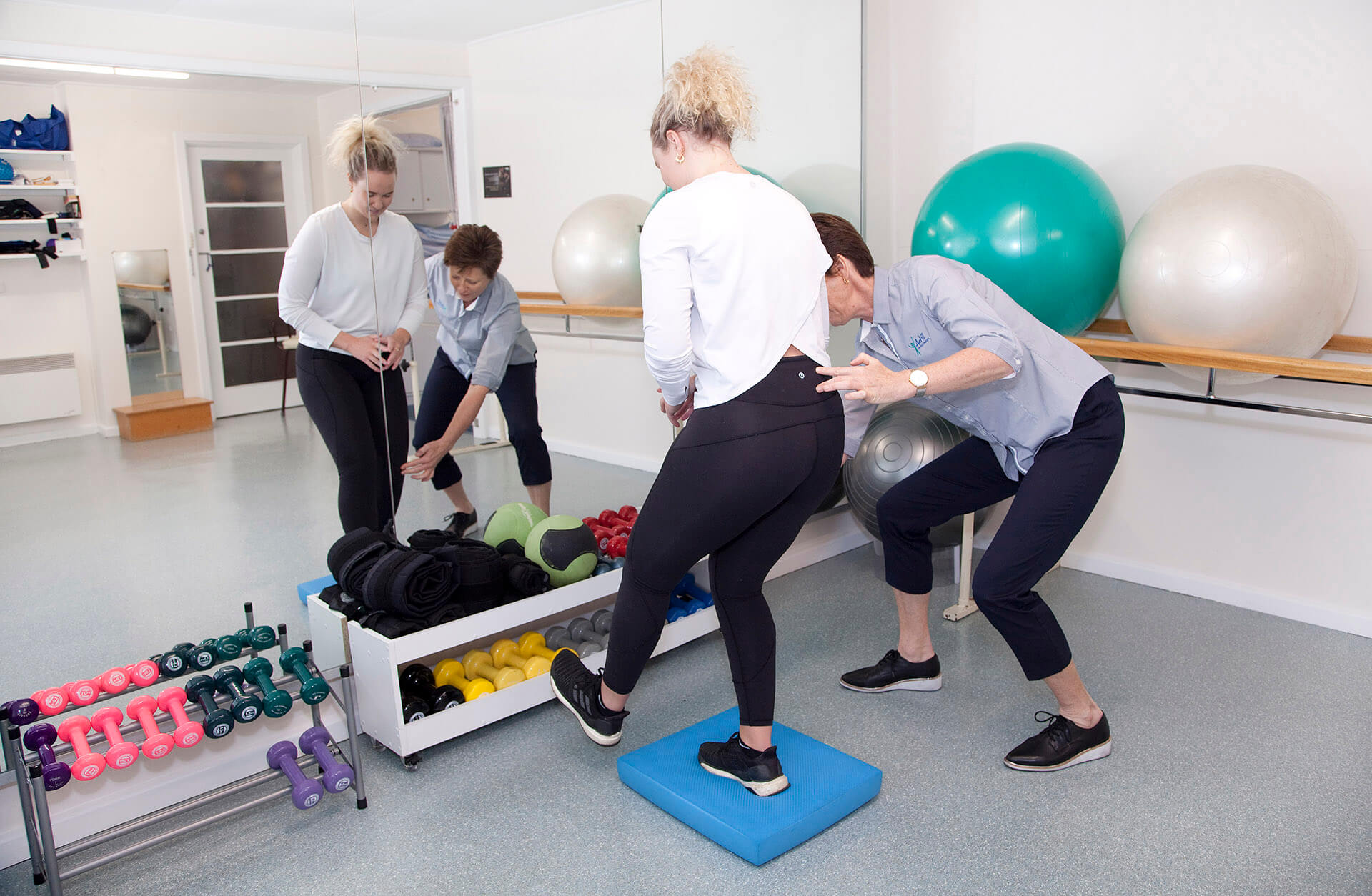
FLEX Health Therapy is a Hobart physiotherapy clinic offering physiotherapy, massage, dietitian services, Pilates and gym classes. No explicit paediatric focus, NDIS registration, telehealth, or waitlist information mentioned.

Umbrella Therapy Services
2. Umbrella Therapy Services
5.0(7)· Howrah
Paediatric

Umbrella Therapy Services offers psychology, counselling, speech pathology, occupational therapy, physiotherapy, dietetics, allied health assistants and positive behaviour support, delivered in-person or via telehealth, across Howrah and Claremont clinics in Tasmania.

Umbrella Therapy Services
3. Umbrella Therapy Services
5.0(3)· Claremont
Paediatric

Umbrella Therapy Services offers psychology, counselling, speech pathology, occupational therapy, physiotherapy, dietetics, positive behaviour support, and allied health assistants at Claremont and Howrah, Tasmania clinics. Services delivered in-person or via telehealth; no age range, NDIS registration, or waitlist details specified.

Claremont, TAS
Beanies Family Support
4. Beanies Family Support
5.0(3)· Huonville
Paediatric

Huonville, TAS-based family support service offering Speech Therapy, Occupational Therapy, and NDIS Support Coordination, plus support work and counselling. Services available in-person and via telehealth/Zoom. Current waitlist: therapy 4–6 weeks, support work 1–2 weeks.

Huonville, TAS
Chrysalis Psychology & Wellbeing
5. Chrysalis Psychology & Wellbeing
5.0(2)· Battery Point
Paediatric

AHPRA-registered clinical/general psychologists in Battery Point, Hobart, serving children through adults via face-to-face and telehealth. Offers assessments (ADHD, autism, neurodevelopmental), individual/couples/family therapy, group programs. Accepts Medicare, NDIS, DVA, WorkCover referrals.

Battery Point, TAS
Early Start Australia - Hobart
6. Early Start Australia - Hobart
5.0(1)· Montrose
Paediatric

Early Start Australia Hobart (Montrose, TAS) offers speech pathology, OT, dietetics, early intervention, physiotherapy, provisional psychology, music therapy and allied health assistants for ages 0-16. In-clinic, telehealth, and offsite (home/school) appointments available statewide.

Early Start Australia - Tasmania South
7. Early Start Australia - Tasmania South
5.0(1)· Montrose
Paediatric

Early Start Australia Hobart (Montrose, TAS) provides in-clinic and telehealth services for ages 0-16, including speech pathology, occupational therapy, physiotherapy, psychology, dietetics, early intervention, music therapy, and allied health assistants, with home/school visits and state-wide telehealth availability.

Antill Physiotherapy
8. Antill Physiotherapy
5.0(1)· South Hobart
Paediatric

General physiotherapy practice in Hobart since 2005, team of 4 physiotherapists treating musculoskeletal pain, scoliosis, postural and vestibular disorders, rehabilitation, pregnancy care. No explicit paediatric service, NDIS registration, telehealth, or waitlist information mentioned.

South Hobart, TAS

Free · no obligation

Check availability with 3 local providers

One enquiry, three replies. We'll send your details to the 3 nearest children's therapy providers — compare replies and choose whoever suits your family best.

What early intervention involves

Early intervention is coordinated support for children aged roughly 0–6 who have a developmental delay or disability, or who are showing signs of falling behind expected milestones. Rather than a single therapy, it's usually a multidisciplinary program — meaning different professionals work together toward shared goals. This might include a speech pathologist, an occupational therapist (OT), a physiotherapist, a psychologist and, in some cases, an early childhood educator or key worker who ties everything together.

Good early intervention is family-centred. The focus is on helping your child take part in everyday routines — playing, eating, dressing, communicating and getting along with others — and on coaching parents and carers so support continues at home. Much of the best work happens in natural settings like your home, childcare or kindergarten, not just a clinic room.

Signs a child might benefit from support

Every child develops at their own pace, but it can be worth seeking advice if your child:

  • Isn't babbling, pointing or using words when you'd expect
  • Has trouble following simple instructions or making eye contact
  • Is late to sit, crawl, walk or has unusual movement patterns
  • Struggles with feeding, chewing or a very limited range of foods
  • Finds change, noise or textures very distressing
  • Has difficulty playing with or alongside other children
  • Has lost skills they previously had

You don't need to wait for a diagnosis. If you have concerns, early advice is almost always better than a 'wait and see' approach — the earlier support starts, the more effective it tends to be.

Suitable ages

Early intervention generally covers birth to school age. Under the NDIS, children under 9 with developmental delay or disability are supported through the early childhood approach, delivered by an Early Childhood partner. Younger children (0–6) are the core focus of most 'early intervention' programs.

What a first appointment looks like

A first appointment is usually an assessment and a conversation rather than hands-on therapy. Expect the clinician to:

  • Ask about your pregnancy, birth, milestones and current concerns
  • Watch your child play and interact
  • Do informal or standardised assessments relevant to their area
  • Talk with you about goals and priorities

From there, they'll recommend a plan — how often to attend, what to work on, and whether other disciplines should be involved. Bring any reports from your GP, paediatrician, child health nurse or childcare educators, plus your NDIS plan if you have one.

Typical costs and NDIS funding

Allied health therapy in Australia is subject to NDIS price caps. As a general guide, standard therapy sessions with a speech pathologist, OT or physiotherapist commonly sit around $180–$220 per hour, with the NDIS cap for most therapy supports currently around the low-to-mid $190s per hour. Assessments, report writing and travel may also be charged within these caps. These figures are general ranges only and change over time — always confirm current pricing directly with the provider.

Under the NDIS, early intervention therapy is usually funded from the Capacity Building budget, specifically the Improved Daily Living line. This funding pays for therapy, assessments and reports aimed at building your child's skills. If you're self-managed or plan-managed, you have more flexibility over which providers you use; if you're NDIA-managed, you generally need an NDIS-registered provider.

If you don't yet have NDIS funding, some families access support privately or through Medicare's Chronic Disease Management plan (limited sessions, via your GP) while an NDIS application is underway.

How to choose a provider in Hobart

With services across Hobart — from FLEX Health Therapy in central Hobart to Umbrella Therapy in Howrah and Claremont, Early Start Australia in Montrose, Optimum Health in Mornington, Leaps Ahead in Glenorchy and others — it helps to compare on more than star ratings. Consider:

  • NDIS registration — check whether the provider is NDIS-registered, especially if your plan is NDIA-managed.
  • Therapist credentials — speech pathologists should be certified with Speech Pathology Australia; OTs and physios registered with AHPRA; and look for OT Australia membership. Ask about experience with your child's age and needs.
  • Waitlists — early intervention providers in Hobart can have long waits. Ask how long the wait is and whether you can join more than one list.
  • Telehealth — useful for follow-ups or if travel is hard; ask whether it's offered.
  • Team approach — check whether they offer genuine multidisciplinary care and key-worker coordination.

Questions to ask

  • Are you NDIS-registered, and can you work with my plan management type?
  • What are the qualifications and experience of the therapist who'll see my child?
  • What's your current waitlist?
  • Do you provide services at home, childcare or kinder, or only in the clinic?
  • How do you involve and coach parents?
  • What are your fees, and what's included (sessions, reports, travel)?
  • How will you measure progress and review goals?

Taking the time to ask these questions helps you find a provider who fits your child, your family and your NDIS plan.


Other therapy types in Hobart

Or read the full early intervention guide, or browse all Hobart providers.

Frequently asked questions

Do I need an NDIS plan to start early intervention in Hobart?

No. Many families begin privately or through a GP-referred Medicare plan while an NDIS application is in progress. However, NDIS funding — usually through the Capacity Building 'Improved Daily Living' budget — makes ongoing therapy far more affordable. Children under 9 can access support through the NDIS early childhood approach even without a formal diagnosis.

How much does early intervention therapy cost?

As a general guide, therapy sessions in Australia commonly range from around $180–$220 per hour, within NDIS price caps that currently sit in the low-to-mid $190s per hour for most therapy supports. Assessments and reports may also be charged. These are general ranges only and change over time, so confirm current fees with each Hobart provider directly.

What ages does early intervention cover?

Early intervention generally supports children from birth to school age, with 0–6 the core focus. Under the NDIS early childhood approach, children under 9 with developmental delay or disability can access support without needing a diagnosis first.

How do I check a therapist's credentials?

Speech pathologists should be certified practising members of Speech Pathology Australia. Occupational therapists and physiotherapists must be registered with AHPRA, and many OTs are members of OT Australia. You can ask the provider directly and verify AHPRA registration online. Also ask about their experience with your child's age and specific needs.

Are there waitlists for early intervention in Hobart?

Waitlists are common for early intervention across Hobart, and they vary between providers. It's worth contacting several services — such as those listed on this page — to compare wait times, and asking whether you can join more than one list while you decide. Some providers may offer earlier telehealth appointments.