Best Therapy Assistants & Groups in Newcastle

Group programs and allied-health-assistant (AHA) sessions can be a practical, affordable way to help your child build skills alongside their peers. This guide explains how these supports work, what to expect, and how to choose a Newcastle provider — and it features a range of local services to help you start your search.

Therapy
Suburb
11 providers in Newcastle
Quinn Health & Development
1. Quinn Health & Development
5.0(19)· Gateshead
Paediatric

NDIS-registered provider offering speech pathology, occupational therapy, physiotherapy, psychology, behaviour support and allied health assistance. Services Newcastle, Lake Macquarie, Gunnedah, Central Coast, East Maitland, plus telehealth across Eastern Australia.

Gateshead, NSW
Leaps & Bounds Speech Pathology
2. Leaps & Bounds Speech Pathology
5.0(4)· Charlestown
Paediatric

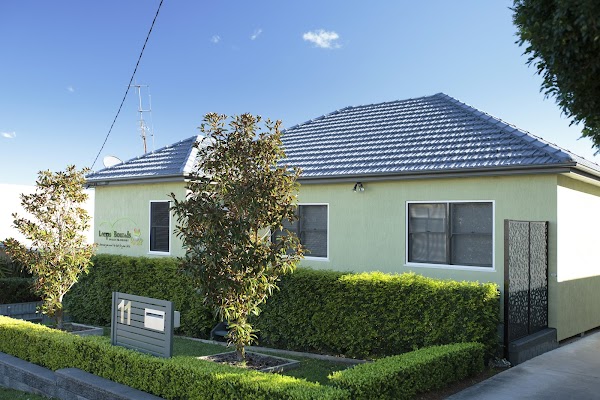
Speech pathology provider in Charlestown NSW (also Warners Bay, East Maitland) serving children and adults, covering speech, language, stuttering, autism support, and social skills groups. Accepts NDIS (agency, plan, self-managed) and offers telehealth.

Charlestown, NSW
Functional Focus Therapy
3. Functional Focus Therapy
5.0(2)· Belmont
Paediatric

Belmont NSW provider offering occupational therapy and speech pathology for children and teens, including OT-led music groups, social/sports groups, and community sessions. No explicit mention of NDIS registration, telehealth, or waitlist.

Inspire Ability
4. Inspire Ability
5.0(2)· Warners Bay
Paediatric

Inspire Ability offers Speech Therapy and Occupational Therapy with a creative approach using drama, music, art, and movement. They also run group therapy programs including Karate Kids, Drum Therapy, Kids Band, and sensory-based activities for children.

Warners Bay, NSW
Sprout and Bloom Therapies
5. Sprout and Bloom Therapies
5.0(1)· Edgeworth
Paediatric

NDIS and private paediatric provider offering occupational therapy and dietetic feeding therapy, sensory integration, daily living skills, and social skills/cooking groups for children. No specific ages, telehealth, or waitlist details stated.

Edgeworth, NSW
Community Therapy
6. Community Therapy
4.8(54)· Mayfield West
Paediatric

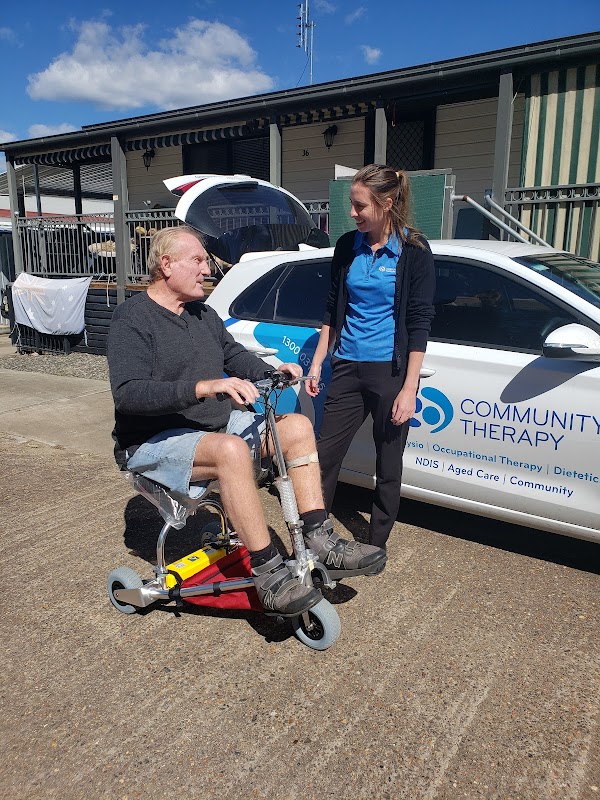
Registered NDIS mobile allied health provider serving Hunter Valley, Newcastle, Lake Macquarie, Central Coast and Port Stephens. Paediatric services (ages 0-18) include physiotherapy, occupational therapy, speech pathology, dietetics, and allied health assistants, delivered in-home, daycare, preschool, or school settings.

Mayfield West, NSW
Better Rehab - Newcastle
7. Better Rehab - Newcastle
4.8(22)· Cooks Hill
NDIS RegisteredPaediatric

Better Rehab Newcastle (Cooks Hill) is a registered NDIS provider offering occupational therapy, speech pathology, physiotherapy, positive behaviour support, and allied health assistants across Newcastle and the Hunter region since 2017. Services available at-home, in-clinic, in community, and via telehealth for NDIS and private clients.

Cooks Hill, NSW
Happy Dots
8. Happy Dots
4.7(84)· Cardiff
Paediatric

Paediatric clinic in Cardiff, NSW offering Occupational Therapy and Speech Therapy for children aged 2-18 years. Services include assessments, individual and group therapy, school visits, home visits, and telehealth. Addresses sensory processing, handwriting, emotional regulation, and school readiness.

Free · no obligation

Check availability with 3 local providers

One enquiry, three replies. We'll send your details to the 3 nearest children's therapy providers — compare replies and choose whoever suits your family best.

What therapy assistants and group programs involve

Allied-health-assistant (AHA) sessions and group programs sit alongside one-on-one therapy from a speech pathologist, occupational therapist or psychologist. An allied-health assistant is a trained support worker who delivers activities and practice tasks designed and supervised by a qualified therapist. The therapist sets the goals and the plan; the assistant helps your child practise them more often, usually at a lower hourly cost.

Group programs bring together a small number of children working on similar goals — for example, social communication, emotional regulation, fine-motor skills, play skills or school readiness. Groups are typically run or overseen by a qualified therapist and can be a great way for children to practise skills in a natural, social setting.

Signs your child might benefit

Every child develops at their own pace, but you might consider group or AHA support if your child:

  • Finds it hard to make or keep friends, take turns or read social cues
  • Struggles with big feelings, transitions or coping with change
  • Needs lots of repetition to build a new skill (speech sounds, handwriting, self-care)
  • Is working towards school readiness or independence goals
  • Already sees a therapist and would benefit from more frequent practice between sessions

Groups and AHA sessions usually complement — rather than replace — assessment and individual therapy. A therapist can advise whether this mix suits your child.

Suitable ages

Programs exist across a wide age range, from toddlers in early-intervention play groups through to primary and high-school-aged children and teens. Groups are generally organised by age and by goal, so ask providers what they run and who each program suits.

What a first appointment looks like

The first step is usually an intake conversation or an assessment with the supervising therapist. They'll ask about your child's history, strengths and challenges, and what you're hoping to achieve. From there they'll recommend whether individual therapy, a group program, AHA sessions, or a combination is the best fit, and explain how goals will be tracked. For groups, expect a short screening to check the program matches your child's needs and stage.

Typical costs and NDIS funding

As a general guide only, individual allied-health therapy in Australia commonly ranges around $180–$220+ per hour, while allied-health-assistant time is charged at a lower hourly rate. Group programs are often priced per session or per block and can work out cheaper per child because costs are shared. The NDIS publishes annual price caps that set the maximum registered providers can charge for many supports — actual fees vary by provider and service, so always ask for a written quote.

Under the NDIS, these supports usually fall under Capacity Building — Improved Daily Living. Some group and community-based supports may also be funded under other lines depending on your child's plan and goals. If you're self-managed or plan-managed, you may have more flexibility in choosing providers, including non-registered ones. Check your plan and confirm funding with your plan manager or support coordinator before you start.

How to choose a provider in Newcastle

This page features providers across the Newcastle area — including Quinn Health & Development (Gateshead), Leaps & Bounds Speech Pathology (Charlestown), Functional Focus Therapy (Belmont), Inspire Ability (Warners Bay), Sprout and Bloom Therapies (Edgeworth), Community Therapy (Mayfield West), Better Rehab - Newcastle (Cooks Hill), Happy Dots (Cardiff), Red Frog For Families (Broadmeadow), Educational Case Management Psychologist (Hamilton) and Neuro Alliance Paediatrics (Thornton). Ratings and review counts can help, but do your own checks too.

When comparing providers, look at:

  • NDIS registration — confirm whether the provider is NDIS-registered, especially if your plan is NDIA-managed (registration is required in that case).
  • Therapist credentials — check that supervising therapists are appropriately qualified and registered: speech pathologists with Speech Pathology Australia, occupational therapists with AHPRA (and often OT Australia), and psychologists with AHPRA.
  • Assistant supervision — ask how allied-health assistants are trained and supervised, and how often the qualified therapist reviews progress.
  • Waitlists — ask directly how long the wait is for both intake and ongoing sessions or the next group intake, as these can vary a lot.
  • Telehealth — some sessions can be delivered online, which may reduce travel and waiting time; ask whether this suits your child.

Questions to ask before you commit

  • Is the program run or supervised by a qualified, registered therapist?
  • How are goals set, tracked and reported back to me?
  • What's the group size, age range and focus?
  • What are the fees, and do they align with NDIS price caps?
  • What funding line does this fall under, and will you help with reports?
  • What's your current waitlist, and how do cancellations work?

Taking a little time to compare a few Newcastle providers — and asking these questions up front — will help you find the right fit for your child and your family's goals.
Other therapy types in Newcastle

Or read the full therapy assistants & groups guide, or browse all Newcastle providers.

Frequently asked questions

What's the difference between an allied-health assistant and a therapist?

A therapist (such as a speech pathologist, OT or psychologist) assesses your child, sets goals and designs the therapy plan. An allied-health assistant is a trained support worker who delivers practice activities under that therapist's supervision, usually at a lower hourly cost, so your child can practise skills more often.

Are group programs as effective as one-on-one therapy?

It depends on your child's goals. Groups are excellent for practising social communication, turn-taking and regulation in a real social setting, and can complement individual therapy. A supervising therapist can advise whether a group, individual sessions, or a mix best suits your child.

Will the NDIS fund therapy assistants and group programs?

These supports often fall under Capacity Building — Improved Daily Living, and some community-based supports may sit under other lines. Funding depends on your child's individual plan and goals. Check with your plan manager or support coordinator, and confirm before you book.

How much do these sessions cost in Newcastle?

As a general guide only, individual therapy commonly ranges around $180–$220+ per hour, with allied-health-assistant time charged lower, and groups often priced per session or block. The NDIS sets annual price caps for many supports. Always ask each provider for a written quote.

How do I check a provider is properly qualified and registered?

Confirm whether the provider is NDIS-registered (required for NDIA-managed plans), and check the supervising therapists' credentials — speech pathologists via Speech Pathology Australia, and OTs and psychologists via AHPRA. Ask how assistants are trained and supervised, and what the current waitlist is.