Best Behaviour Support in Brisbane

Positive behaviour support (PBS) helps children who show challenging or unsafe behaviours by understanding what those behaviours are communicating and building skills and environments that help everyone thrive. This guide explains what behaviour support involves, how NDIS funding works, and how to choose a provider in Brisbane. It also features a selection of local providers, including Better Rehab - Stones Corner, Everyday Independence Western Brisbane, and Bloom Healthcare - Brisbane.

Therapy
Suburb
30 providers in Brisbane
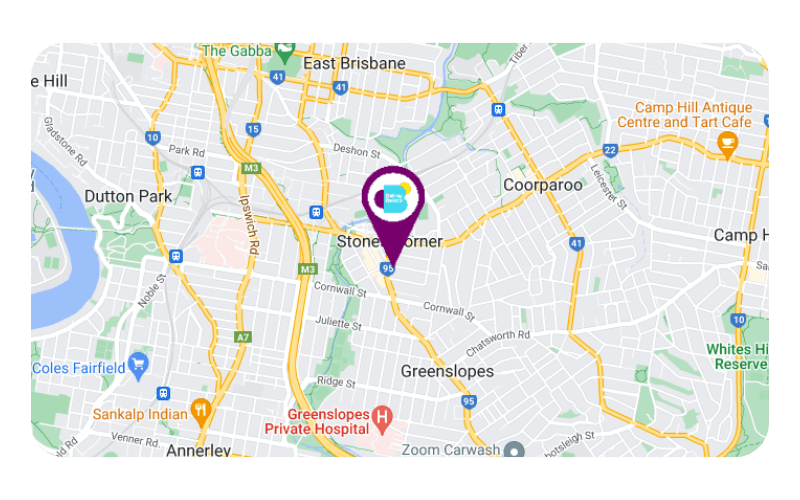
Better Rehab - Stones Corner
1. Better Rehab - Stones Corner
5.0(21)· Stones Corner
Paediatric

Better Rehab Stones Corner is a registered NDIS provider offering occupational therapy, speech pathology, physiotherapy, exercise physiology, and positive behaviour support. Services delivered in-clinic, at home, in community, or via telehealth. Open to NDIS participants and private-paying clients.

Stones Corner, QLD
Talk Health Therapy
2. Talk Health Therapy
5.0(16)· Chermside
NDIS RegisteredPaediatric

NDIS registered provider in Chermside/Brisbane offering physiotherapy, occupational therapy, speech pathology, dietetics, allied health assistants, early intervention and behaviour support for children and young people aged 1–21, plus adults. Mobile/in-home, school and community-based services across Brisbane and Moreton Bay; no telehealth or waitlist details given.

Chermside, QLD
Everyday Independence Western Brisbane
3. Everyday Independence Western Brisbane
5.0(11)· Darra
NDIS RegisteredPaediatric

Registered NDIS provider in Darra, Western Brisbane offering occupational therapy, speech pathology, physiotherapy, positive behaviour support, and early childhood supports for children through adults, plus youth employment services (ages 15-24). No waitlists mentioned across many locations.

My Therapy Crew - Upper Mount Gravatt
4. My Therapy Crew - Upper Mount Gravatt
5.0(7)· Upper Mount Gravatt
Paediatric

My Therapy Crew is a multi-clinic allied health provider (Upper Mount Gravatt main clinic) offering OT, physiotherapy, speech pathology, positive behaviour support, dietetics, music therapy, social work and allied health assistants for people of all ages; services also in Darwin, Springwood, North Lakes, Sunshine Coast and mobile Cairns.

Upper Mount Gravatt, QLD
Therapy Near Me Brisbane
5. Therapy Near Me Brisbane
5.0(5)· Brisbane City
Paediatric

Australia-wide provider (in-clinic Brisbane location) offering psychology, counselling, behaviour support and speech therapy via telehealth, in-clinic and at-home; supports children, adolescents, adults and seniors; NDIS plan-managed and self-managed funding accepted, with NDIS supports including early intervention and support coordination.

Brisbane City, QLD
The Centre for Positive Behaviour Support - CPBS Brisbane
Paediatric

NDIS-registered provider offering psychology assessment, early intervention, and positive behaviour support (PBS) using the Multi-Element Positive Behaviour Support model, avoiding punishment/restrictive practices. Services delivered in home, school, or community settings across Australia by a team of 140+ registered behaviour support practitioners.

Bright Behaviour Support Services
7. Bright Behaviour Support Services
5.0(4)· Brisbane CBD
Paediatric

Ipswich-based provider offering trauma-informed, neuro-affirming, play-based therapeutic support for children, teens, and adults. Sessions in-clinic or outreach across Brisbane, Ipswich, Gold Coast, Moreton Bay, Toowoomba. No NDIS registration, telehealth, or waitlist information provided.

Brisbane CBD, QLD

Free · no obligation

Check availability with 3 local providers

One enquiry, three replies. We'll send your details to the 3 nearest children's therapy providers — compare replies and choose whoever suits your family best.

What behaviour support involves for children

Positive behaviour support is an evidence-based approach that focuses on understanding why a child behaves the way they do, rather than simply trying to stop a behaviour. A behaviour support practitioner will observe your child, talk with you and other people who know them well, and gather information about what tends to trigger difficult moments and what your child is trying to communicate.

From there, they develop a positive behaviour support plan. This is a written plan that describes your child's strengths and needs, identifies the function of specific behaviours, and sets out proactive strategies to reduce distress and teach new skills. Good plans focus on changing the environment, routines and adult responses — not just the child. They avoid punitive approaches and, where possible, aim to reduce or remove any restrictive practices.

Signs a child might benefit from support

Every child has hard days, so it can help to look at patterns over time. You might consider behaviour support if your child regularly:

  • Has intense or frequent meltdowns that are hard to recover from
  • Shows aggression toward themselves or others (hitting, biting, head-banging)
  • Runs away or leaves safe areas without awareness of danger
  • Struggles significantly with transitions, changes or unstructured time
  • Has behaviours that are affecting their learning, friendships or family life
  • Is at risk of exclusion from school, kindy or activities

Behaviour support is not about labelling a child as "naughty." It's about understanding unmet needs and building a plan that works.

Suitable ages

Behaviour support can help children of almost any age, from early childhood through adolescence. Early intervention often makes a real difference because routines and strategies can be embedded before patterns become entrenched. Approaches are always tailored to the child's developmental stage, communication level and interests.

What a first appointment looks like

An initial appointment is usually a conversation. The practitioner will ask about your child's history, development, health, communication, and the behaviours you're concerned about. They may want to know what a typical day looks like, what's already been tried, and what your family's goals are.

Over the following weeks, the practitioner may observe your child at home, at school or in the community, and complete assessments called functional behaviour assessments. This information feeds into the behaviour support plan. Expect the process to take several sessions — a thoughtful plan can't be rushed.

Typical AU costs and NDIS funding

Under the NDIS, behaviour support is generally funded through Capacity Building — Improved Relationships (previously used for specialist behaviour support). Assessment and plan development, plus training for parents and support workers, are commonly funded here.

The NDIS publishes price caps for behaviour support, and providers should charge at or below these limits. As a general guide, behaviour support practitioner rates in Australia typically fall in the range of $150–$230 per hour, depending on the practitioner's experience level and the complexity of the work. Travel and report-writing time may also be billed. These figures are indicative only — always confirm current pricing and the applicable NDIS price cap directly with the provider, as rates change.

If you're not using NDIS funding, ask providers about private fees and whether any Medicare or private health rebates may apply through related allied health services.

How to choose a provider in Brisbane

When comparing providers, check the following:

  • NDIS registration: If you're plan-managed or agency-managed, confirm the provider is NDIS-registered. Self-managed families have more flexibility but should still check credentials.
  • Practitioner credentials: Behaviour support practitioners in Australia are assessed for suitability by the NDIS Quality and Safeguards Commission. Ask whether the practitioner is a registered NDIS behaviour support practitioner and what their professional background is (for example, psychology registered with AHPRA, occupational therapy through OT Australia, or speech pathology through Speech Pathology Australia).
  • Waitlists: Demand is high in Brisbane, so ask upfront how long the wait is for an initial appointment and for plan development.
  • Telehealth: Some sessions, especially parent coaching and reviews, can be delivered online. This can shorten waits and suit families in outer suburbs.
  • Experience with your child's needs: Ask whether they've worked with children of a similar age and profile.

The providers featured on this page span suburbs from the CBD and Spring Hill through to Coorparoo, Manly, Darra, Milton, Springwood and Upper Mount Gravatt, so there may be options close to you or available via telehealth.

Questions to ask a provider

  • Is your behaviour support practitioner registered with the NDIS Commission?
  • What professional qualifications and registrations do your practitioners hold?
  • How long is your current waitlist?
  • What does the assessment process involve, and how many sessions before we have a plan?
  • How do you involve parents, schools and support workers?
  • What are your fees, and how do they compare with the NDIS price cap?
  • Do you offer telehealth, home or school visits?
  • How do you handle plan reviews and ongoing support?

Choosing the right fit matters more than a single rating. A practitioner who communicates well, respects your family's values and includes you as a partner will get better results for your child.
Other therapy types in Brisbane

Or read the full behaviour support guide, or browse all Brisbane providers.

Frequently asked questions

What NDIS funding covers behaviour support in Brisbane?

Behaviour support is generally funded under Capacity Building — Improved Relationships. This can cover assessment, developing a positive behaviour support plan, and training for parents and support workers. Check your plan or speak with your plan manager or support coordinator to confirm what's available.

How much does behaviour support cost?

As a general guide, behaviour support practitioner rates in Australia often range from around $150–$230 per hour, and the NDIS sets price caps that providers should not exceed. Travel and report writing may also be charged. Always confirm current fees directly with the provider, as pricing changes over time.

Do we need a diagnosis before starting behaviour support?

Not necessarily. Behaviour support focuses on understanding and responding to behaviours and building skills, and can begin based on a child's needs. However, NDIS access and funding may depend on eligibility and your plan. Speak with your provider and the NDIS about your specific situation.

How long are waitlists for behaviour support in Brisbane?

Waitlists vary widely between providers and can change quickly given high demand. It's best to contact several providers directly to ask about current wait times for an initial appointment and for plan development. Telehealth options may sometimes reduce the wait.

How do I check a behaviour support practitioner's credentials?

Ask whether the practitioner is a registered NDIS behaviour support practitioner assessed by the NDIS Quality and Safeguards Commission. Many also hold allied health registrations — for example through AHPRA (psychology), OT Australia (occupational therapy), or Speech Pathology Australia — so ask about their professional background.