Paediatric
Brisbane Southside (Yeronga, QLD) physiotherapy clinic offering paediatric physiotherapy among musculoskeletal, sports, vestibular, TMJ, women's health and rehab services in private treatment rooms with an on-site gym.
Yeronga, QLD
Paediatric physiotherapy helps children build the gross motor skills, coordination and mobility they need to move, play and keep up with their peers. This guide explains what to expect, how funding works, and how to choose a Brisbane provider — and it features a shortlist of local clinics you can compare.
Brisbane Southside (Yeronga, QLD) physiotherapy clinic offering paediatric physiotherapy among musculoskeletal, sports, vestibular, TMJ, women's health and rehab services in private treatment rooms with an on-site gym.
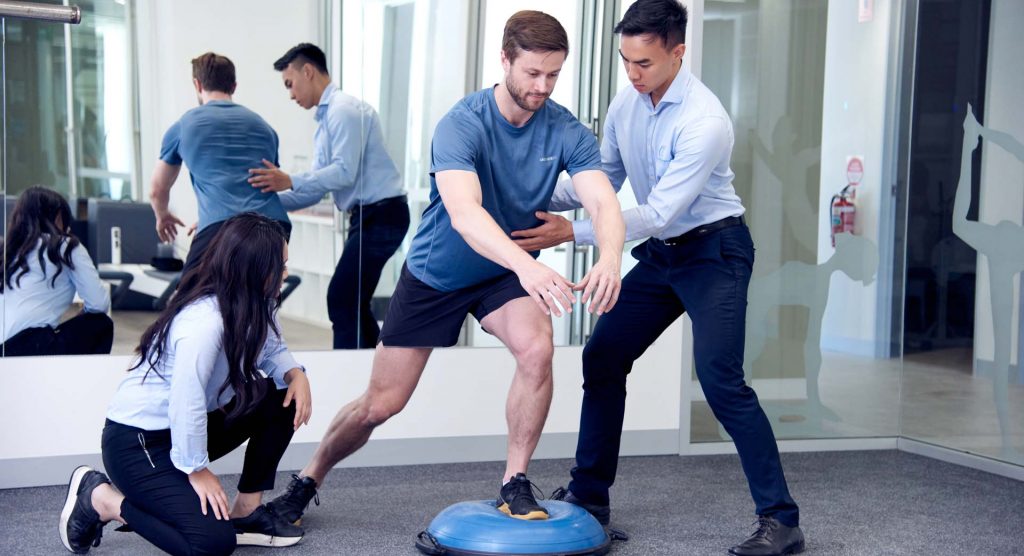
Refine Physiotherapy & Pilates in Bowen Hills, QLD offers physiotherapy, including paediatric physiotherapy, Pilates, dry needling, remedial massage, and sports physio. NDIS, DVA, WorkCover, and Home Care Package registered provider; no telehealth or waitlist details mentioned.
Trilogy Physiotherapy in Sinnamon Park, Brisbane offers paediatric physiotherapy for babies, children and teens (motor development, coordination, hypermobility, ASD, low muscle tone) plus dietetics/nutrition therapy. Registered NDIS provider serving self-managed, plan-managed and agency-managed participants across all ages.

General sports physiotherapy clinic in East Brisbane treating active individuals of all ages, including junior and adolescent athletes. No NDIS registration or telehealth mentioned. No referral required; accepts Medicare CDM, WorkCover, and DVA patients.
NDIS-registered physiotherapy provider in Capalaba, QLD offering private, mobile, pregnancy, and NDIS physiotherapy services for all ages, including on-site gym rehabilitation. No paediatric-specific therapy types, telehealth, or waitlist details mentioned.

Brendale-based provider offering paediatric Physiotherapy, Occupational Therapy and Speech Pathology for babies through school-age children and young athletes. Focus on movement, communication, sensory processing, feeding, emotional regulation, and sports injury support, with community, early learning and sports club partnerships.
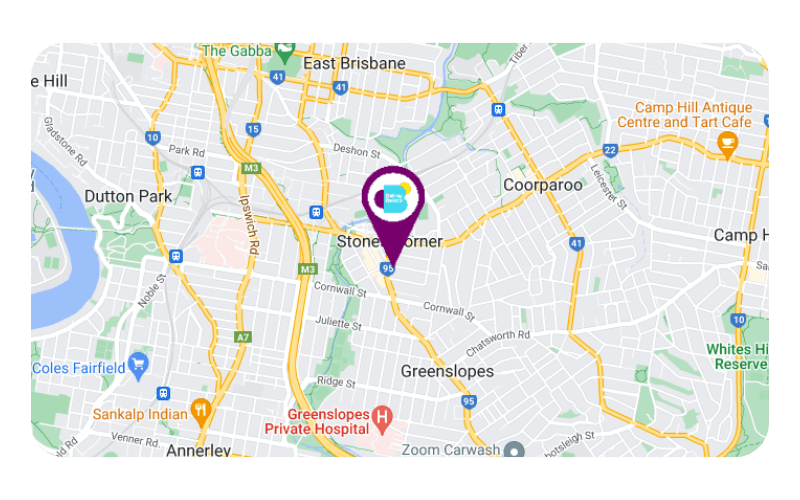
Better Rehab Stones Corner is a registered NDIS provider offering occupational therapy, speech pathology, physiotherapy, exercise physiology, and positive behaviour support. Services delivered in-clinic, at home, in community, or via telehealth. Open to NDIS participants and private-paying clients.

General physiotherapy provider offering musculoskeletal, neurological, women's/men's health, and other physiotherapy services; mentions a paediatric bladder/bowel speciality clinic (Mars Clinic) for children and teenagers. No explicit NDIS registration, telehealth, or waitlist details stated.
Paediatric physiotherapy focuses on how children move. A physiotherapist assesses and supports gross motor development — the large-muscle skills involved in rolling, crawling, sitting, standing, walking, running, jumping, balance and coordination. For older children, this can extend to sports skills, posture and building strength and confidence.
Therapy is play-based and tailored to your child's age and goals. Rather than clinical exercises for their own sake, a good physio weaves movement practice into games and activities so children stay engaged. The aim is functional: helping your child do the everyday things they want and need to do, from climbing playground equipment to managing the school day.
Physiotherapists commonly support children with conditions such as cerebral palsy, developmental delay, hypotonia (low muscle tone), torticollis, plagiocephaly, toe-walking, coordination difficulties (sometimes described as developmental coordination disorder), and recovery after injury or surgery.
Every child develops at their own pace, but it can be worth seeking an assessment if you notice:
If you have concerns, it's reasonable to raise them with your GP, child health nurse or paediatrician, who can help with a referral and rule out underlying medical causes.
Paediatric physiotherapy spans infancy through adolescence. Some clinics see babies from a few weeks old for issues like torticollis or delayed milestones, right through to teenagers working on strength, coordination or return to sport. When comparing providers, check the age range they treat and whether they have experience with your child's specific needs.
The initial session is usually an assessment. Expect the physiotherapist to:
Most first appointments run 45–60 minutes. It helps to bring any relevant reports, a list of your questions, and comfortable clothing for your child. Follow-up sessions focus on therapy and a home program — the between-session practice often matters as much as the appointment itself.
As a general guide, private paediatric physiotherapy in Australia often ranges from around $180 to $230 per session, though fees vary by clinic, session length and complexity. The NDIS publishes price limits (caps) for therapy delivered under a plan, and these are updated periodically — providers should not charge above the relevant cap for NDIS-funded services. Always confirm current fees directly with the provider, as prices change.
Under the NDIS, physiotherapy for children is typically funded through Capacity Building — Improve Daily Living. If your child has a plan, you can use these funds for assessment, therapy sessions, reports and, where relevant, therapy planning. Children under 9 may be supported through the NDIS early childhood approach. Outside the NDIS, some families access support via Medicare (with a GP referral under a Chronic Disease Management plan, which covers limited sessions) or through private health extras — check your policy for rebates.
This page features a range of Brisbane clinics — including Assist Allied Health (Capalaba), Articulate Physiotherapy Tarragindi, Carina Medical & Specialist Centre (Cannon Hill), Early Start Australia (Toowong) and others across the city. Ratings and review numbers are a useful starting point, but they shouldn't be the only factor. Consider the following:
Taking the time to compare a few providers, verify credentials and ask about waitlists will help you find the right fit for your child.
Or read the full paediatric physiotherapy guide, or browse all Brisbane providers.
For private appointments you generally don't need a referral. However, a referral from your GP or paediatrician may be needed for Medicare rebates (under a Chronic Disease Management plan) and can be helpful for coordinating care. If you're using the NDIS, check what your plan requires.
As a general guide, private sessions often range from around $180 to $230, though fees vary and change over time. The NDIS sets price caps for therapy, and physiotherapy for children is usually funded under Capacity Building — Improve Daily Living. Always confirm current fees and funding details with the provider.
All practising physiotherapists in Australia must be registered with AHPRA. You can search the AHPRA register online to confirm registration and check for any conditions. It's also worth asking about their specific experience working with children.
There's no single right age. Some clinics see babies from a few weeks old for issues like torticollis or delayed milestones, through to teenagers. If you have concerns about your child's movement or motor milestones, an early assessment can help clarify whether support is needed.
Waitlists vary widely between clinics and can be lengthy given high demand. When you contact a provider, ask specifically about the wait for an initial appointment and for ongoing sessions, and whether they offer a waitlist or telehealth option in the meantime.