Best Occupational Therapy in Toowoomba

Occupational therapy helps children build the everyday skills they need to play, learn and take part in family life. This guide explains what paediatric OT involves, how to know if your child might benefit, and how to choose the right provider in Toowoomba. It also features a shortlist of local clinics to help you start your search.

Therapy
Suburb
26 providers in Toowoomba
MET Phys
1. MET Phys
5.0(25)· Highfields
Paediatric

MET Phys is an allied health provider in Highfields/Toowoomba/Crows Nest offering occupational therapy and speech pathology among broader services (exercise therapy, osteopathy, counselling). Serves ages 2 to 100. Offers face-to-face, telehealth, and home visit delivery.

Highfields, QLD
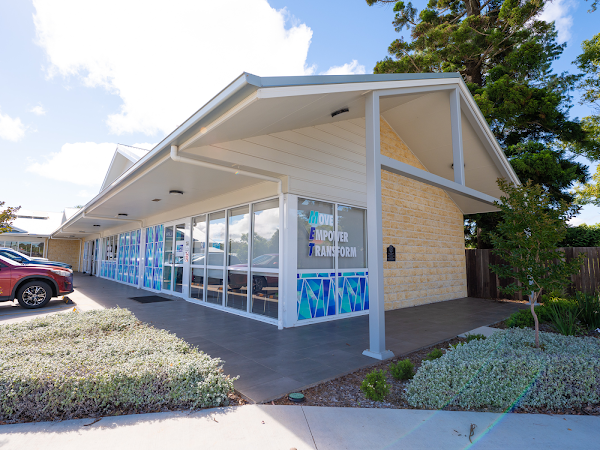
Making Connections Toowoomba
2. Making Connections Toowoomba
5.0(5)· Toowoomba CBD
Paediatric

Neuroaffirming multi-disciplinary practice in Toowoomba offering psychology, occupational therapy, group programs, and caregiver coaching for neurodivergent children, teens and young adults, including autistic and ADHD youth. Services available with or without NDIS funding; no diagnosis required.

Toowoomba CBD, QLD
Greater Heights Therapy Services
4. Greater Heights Therapy Services
5.0(3)· South Toowoomba
Paediatric

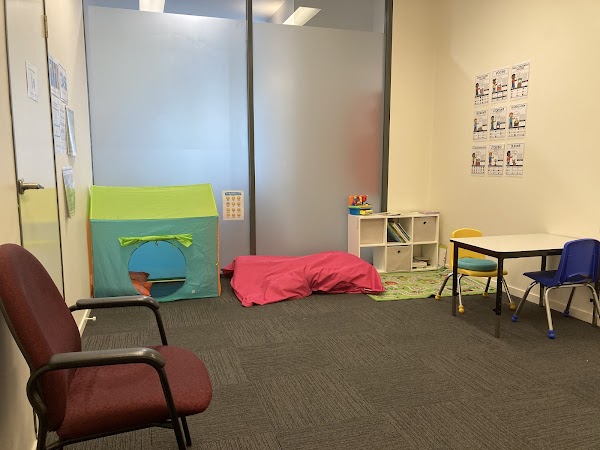
Greater Heights Therapy Services in South Toowoomba offers speech pathology, occupational therapy, psychology, and dietetics for clients from birth to adulthood, providing coordinated, evidence-based therapy involving family and carers.

South Toowoomba, QLD
Early Start Australia Toowoomba
5. Early Start Australia Toowoomba
5.0(2)· Toowoomba City
NDIS RegisteredPaediatric

Supports children and young people aged 0–18 with autism, developmental delays, speech/language, motor, and mental health needs. Offers speech pathology, OT, psychology, physiotherapy, and early intervention (up to age 9). NDIS registered; clinic, telehealth, and mobile services; no GP referral required.

Toowoomba City, QLD
Allied Health Experts
6. Allied Health Experts
5.0(1)· East Toowoomba
Paediatric

Medicolegal and NDIS-focused occupational therapy provider offering independent assessments, expert witness reports, people handling training, and telehealth (Healthdirect videocall) options; no paediatric-specific ages, practitioners, or waitlist details stated.

East Toowoomba, QLD
Kaizenats- Kaizen Allied Therapy Services Pty ltd
7. Kaizenats- Kaizen Allied Therapy Services Pty ltd
5.0(1)· North Toowoomba
Paediatric

Kaizen Allied Therapy Services offers paediatric occupational therapy, youth counselling, play therapy, and ADHD/Autism/PDA assessment and intervention in North Toowoomba, QLD, serving children through adults with clinic-based, family-centred, neuro-affirming care.

North Toowoomba, QLD
Bloom Allied Health & Therapy Co
8. Bloom Allied Health & Therapy Co
5.0(1)· North Toowoomba
Paediatric

Bloom Allied Health & Therapy Co offers occupational therapy, speech pathology, counselling/psychology, and allied health assistant/community/group programs. Emphasises neuroaffirming, holistic, family-focused care. No ages, NDIS registration, telehealth, or waitlist details explicitly stated.

North Toowoomba, QLD

Free · no obligation

Check availability with 3 local providers

One enquiry, three replies. We'll send your details to the 3 nearest children's therapy providers — compare replies and choose whoever suits your family best.

What occupational therapy involves for children

Occupational therapy (OT) supports children to do the everyday "occupations" of childhood — playing, dressing, eating, writing, and joining in at home, kinder and school. For kids, OT commonly focuses on three areas:

  • Fine motor skills — using hands for tasks like holding a pencil, doing up buttons, using scissors and building with blocks.
  • Sensory processing — how a child takes in and responds to sound, touch, movement and other sensory information, which can affect focus, mood and behaviour.
  • Daily-living skills — self-care and independence tasks such as toileting, getting dressed, eating and following routines.

An occupational therapist works out what's getting in the way for your child, then uses play-based, practical strategies to build skills and confidence. They often coach parents and carers so progress continues at home.

Signs a child might benefit from OT

Every child develops at their own pace, but some signs that OT support could help include:

  • Difficulty with pencil grip, drawing, cutting or handwriting
  • Trouble with dressing, using cutlery or other self-care tasks
  • Strong reactions to noise, textures, clothing tags or messy play (or seeking constant movement)
  • Clumsiness, poor balance or avoiding physical activities
  • Difficulty settling, focusing or coping with transitions
  • Delays in reaching developmental milestones

If you have concerns, it's worth speaking with your GP, paediatrician or child health nurse. They can help you understand your child's needs and, where appropriate, refer you on.

Suitable ages

OT can support children from infancy right through the teen years. Early intervention (roughly ages 0–6) is often emphasised because young brains are highly adaptable, but there's genuine benefit at any age. Older children and teens frequently see an OT for handwriting, organisation, self-care and independence skills.

What a first appointment looks like

A first OT appointment is usually about getting to know your child and your goals. Typically it involves:

  1. A conversation with you about your child's development, strengths, challenges and what you'd like to work towards.
  2. Observation or informal assessment — often through play — to see how your child moves, uses their hands and responds to their environment.
  3. Sometimes a standardised assessment over one or more sessions.
  4. A plan outlining goals, recommended session frequency and home strategies.

Bring any reports (from a GP, paediatrician or school), a list of your concerns, and your NDIS plan if you have one.

Typical AU costs and NDIS funding

As a general guide, OT sessions in Australia commonly range from around $180 to $220+ per hour. The NDIS publishes price caps that registered providers work within, and these are reviewed regularly, so always confirm current fees directly with the provider. Costs can vary with assessments, report writing and travel.

Under the NDIS, occupational therapy is usually funded through the Capacity Building — Improved Daily Living budget. How you access this depends on whether your plan is:

  • Self-managed — you can choose registered or non-registered providers and pay invoices yourself.
  • Plan-managed — a plan manager pays providers on your behalf.
  • NDIA-managed — you'll generally need to use NDIS-registered providers.

If your child isn't on the NDIS, some costs may be claimable through Medicare (with a GP-referred Chronic Disease Management plan) or private health extras — check your eligibility and rebates.

How to choose a provider in Toowoomba

This page features several Toowoomba and surrounding-suburb providers, including Acacia Therapy, Early Start Australia Toowoomba, Allied Health Experts, Kaizenats, Northcott Toowoomba, Why Wait, Pacific Health & Wellbeing, Baseline Therapy, ClearSky Allied Health Toowoomba, Your Hand Therapy, Lisa Hudson and Making Connections Toowoomba. Ratings and reviews are a starting point, but the right fit depends on your child's needs.

When comparing providers, look at:

  • NDIS registration — confirm whether they're NDIS-registered, especially if your plan is NDIA-managed.
  • Therapist credentials — check the OT is registered with AHPRA and, where relevant, a member of Occupational Therapy Australia. If a clinic also offers speech pathology, look for Speech Pathology Australia membership.
  • Experience with your child's needs — for example paediatric, sensory or specific conditions.
  • Waitlists — these can be long, so ask early how long the wait is for an initial appointment.
  • Location and telehealth — consider clinic vs home/school visits, and whether telehealth is offered for follow-ups.

Questions to ask

  • Is your OT registered with AHPRA and Occupational Therapy Australia?
  • Are you NDIS-registered, and can you work with plan-managed or self-managed funding?
  • What's your current waitlist for a first appointment?
  • Do you have experience with children of my child's age and needs?
  • What are your fees, including assessments and reports?
  • Do you offer home, school or telehealth sessions?
  • How will you involve me and set goals with our family?

Taking the time to ask these questions helps you find a provider who's a genuine fit — and gives your child the best start.
Other therapy types in Toowoomba

Or read the full occupational therapy guide, or browse all Toowoomba providers.

Frequently asked questions

How do I know if my child needs occupational therapy?

Common signs include difficulty with handwriting, dressing or self-care, strong reactions to sensory input like noise or textures, clumsiness, or trouble focusing and coping with change. If you're unsure, talk with your GP, paediatrician or child health nurse, who can help you decide whether an OT assessment is appropriate.

Does the NDIS cover occupational therapy in Toowoomba?

OT is usually funded through the NDIS Capacity Building — Improved Daily Living budget. How you access it depends on whether your plan is self-managed, plan-managed or NDIA-managed. NDIA-managed plans generally require NDIS-registered providers, so confirm a provider's registration before booking.

How much does children's OT cost?

As a general guide, sessions in Australia commonly range from around $180 to $220+ per hour, and the NDIS sets price caps that registered providers work within. Fees vary with assessments and reports, and caps are reviewed regularly, so always confirm current pricing with the provider.

How long are OT waitlists in Toowoomba?

Waitlists vary between clinics and can change over time, sometimes stretching to several weeks or months. It's best to contact providers directly and ask about their current wait for an initial appointment — and to enquire early if you have concerns about your child.

What should I check about an OT's qualifications?

Make sure the occupational therapist is registered with AHPRA and, ideally, a member of Occupational Therapy Australia. If a clinic also provides speech pathology, look for Speech Pathology Australia membership. Asking about experience with your child's specific age and needs is also worthwhile.