Best Paediatric Dietetics in Toowoomba

Paediatric dietitians help children eat well — whether your child is a fussy eater, has a medical condition affecting nutrition, or needs support around growth and mealtimes. This guide explains what to expect, how NDIS funding can help, and how to choose the right dietitian in Toowoomba. It also features the local providers we currently list.

Therapy
Suburb
18 providers in Toowoomba
Greater Heights Therapy Services
1. Greater Heights Therapy Services
5.0(3)· South Toowoomba
Paediatric

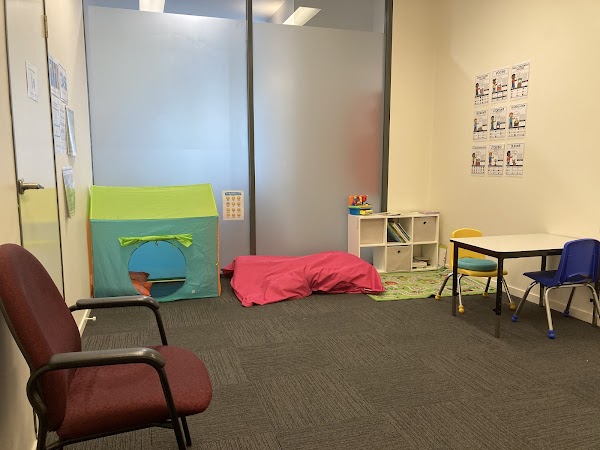
Greater Heights Therapy Services in South Toowoomba offers speech pathology, occupational therapy, psychology, and dietetics for clients from birth to adulthood, providing coordinated, evidence-based therapy involving family and carers.

South Toowoomba, QLD
Early Start Australia Toowoomba
2. Early Start Australia Toowoomba
5.0(2)· Toowoomba City
NDIS RegisteredPaediatric

Supports children and young people aged 0–18 with autism, developmental delays, speech/language, motor, and mental health needs. Offers speech pathology, OT, psychology, physiotherapy, and early intervention (up to age 9). NDIS registered; clinic, telehealth, and mobile services; no GP referral required.

Toowoomba City, QLD
Wellbeing Allied Health (Dietitians - Anna Reeves & Leanna Fyffe)
Paediatric

Dietitian clinic in Toowoomba offering telehealth, phone consultations, and home visits for NDIS participants. Sees adults and children, including autism, ADHD, eating disorders, tube feeding, and disability-related needs. Self-referrals accepted; Medicare rebate requires referral.

South Toowoomba, QLD
Balance Nutrition
4. Balance Nutrition
5.0(2)· East Toowoomba
Paediatric

Specialised dietetic clinic in East Toowoomba, QLD, founded 2019, focusing on complex medical/metabolic nutrition care including sports nutrition for adolescents. Offers online (telehealth) consultations, Medicare rebates for GPCCMP referrals, and private health rebates. No specific NDIS registration or paediatric age range stated.

East Toowoomba, QLD
Digestive Dietitians
5. Digestive Dietitians
5.0(1)· Rockville
Paediatric

Digestive Dietitians is a Toowoomba-based dietetics practice offering individualised nutrition care for gastrointestinal conditions (IBS/FODMAP, coeliac disease, IBD, reflux, liver disease, etc.). Team of Accredited Practising Dietitians works alongside gastroenterologists and practice nurses. No explicit mention of paediatric focus, NDIS registration, telehealth, or waitlist.

Rockville, QLD
Intrinsic Allied Health
6. Intrinsic Allied Health
4.9(11)· Toowoomba City
NDIS RegisteredPaediatric

Intrinsic Allied Health Toowoomba is a registered NDIS provider offering occupational therapy, speech therapy, physiotherapy and dietetics, both in-centre and in the community, serving clients across the Darling Downs region.

Toowoomba City, QLD
Healthy Lifestyles Australia
7. Healthy Lifestyles Australia
4.4(5)· East Toowoomba
Paediatric

Healthy Lifestyles Australia offers Dietitian, Exercise Physiology, Diabetes Education, Podiatry and Allied Health Assistant services across Queensland, working with NDIS participants; no specific paediatric age range, therapy types beyond dietetics, or waitlist details stated.

East Toowoomba, QLD
Blue Fox Health Toowoomba
8. Blue Fox Health Toowoomba
4.3(6)· Toowoomba CBD
NDIS RegisteredPaediatric

Registered NDIS provider offering Occupational Therapy, Speech Therapy, Physiotherapy, and Dietitian services in Toowoomba via home visits, with speech therapy and dietitian also available via telehealth. No waitlists mentioned; also services rural areas like Millmerran, Dalby, and Chinchilla.

Toowoomba CBD, QLD

Free · no obligation

Check availability with 3 local providers

One enquiry, three replies. We'll send your details to the 3 nearest children's therapy providers — compare replies and choose whoever suits your family best.

What paediatric dietetics involves for children

Paediatric dietitians are accredited nutrition professionals who work specifically with babies, children and teenagers. Unlike general nutrition advice, their work is tailored to a child's stage of growth and development, and often overlaps with feeding therapy (which speech pathologists and occupational therapists also provide).

Common reasons families see a paediatric dietitian include:

  • Fussy or selective eating — a very limited range of accepted foods, distress at mealtimes, or refusal of whole food groups.
  • Growth concerns — faltering weight, being underweight or overweight, or slow growth that a GP or paediatrician has flagged.
  • Medical and allergy needs — food allergies and intolerances, coeliac disease, reflux, constipation, diabetes, or conditions requiring tube feeding.
  • Developmental and sensory needs — children with autism, ADHD or sensory processing differences who find eating challenging.

Dietitians can help build a balanced eating pattern, manage nutrient gaps, support tube-feeding plans, and coach families on practical mealtime strategies.

Signs your child might benefit from support

Every child goes through phases of fussy eating, so it can be hard to know when to seek help. It may be worth booking an assessment if your child:

  • Eats a very narrow range of foods (for example, fewer than 20 foods) and is dropping foods over time
  • Is not gaining weight or growing as expected
  • Gags, chokes or seems fearful around food
  • Has a diagnosed condition that affects what they can eat
  • Relies heavily on supplement drinks or has ongoing gut symptoms

If you have concerns about growth, breathing or choking, speak with your GP or paediatrician first — these can need medical review.

Suitable ages

Paediatric dietitians work with children from infancy (including support around introducing solids) right through to adolescence. The earlier feeding difficulties are addressed, the more options there tend to be, but it's never too late to seek help.

What a first appointment looks like

An initial appointment usually runs 45–60 minutes. The dietitian will typically:

  • Take a history of your child's eating, growth, medical background and mealtime routines
  • Ask about a typical day of food and drink
  • Review any growth charts or reports from your GP, paediatrician or other therapists
  • Discuss your family's goals and concerns

From there they'll create a plan, which might include gradual food exposure strategies, adjusting textures, adding nutrients, or coordinating with other professionals. Bring along any relevant reports, a food diary if you have one, and a list of your questions.

Typical AU costs and NDIS funding

As a general guide, an initial dietetics consultation in Australia often ranges from around $150 to $250, with follow-ups commonly $90 to $180. Under the NDIS, dietetics is funded through Capacity Building — Improved Daily Living, and providers must charge within the NDIS price caps set out in the current Pricing Arrangements and Price Limits. These figures are indicative only and change over time — always confirm current fees directly with the provider before booking.

Some dietetics services may also be partly covered under a Chronic Disease Management (CDM) plan through Medicare if your GP prepares one, though this typically covers a limited number of visits per year. Private health extras may offer rebates too.

How your child's funding works depends on whether your NDIS plan is self-managed, plan-managed or agency-managed. Agency-managed plans generally require an NDIS-registered provider, while self- and plan-managed families have more flexibility.

How to choose a provider in Toowoomba

We list a range of Toowoomba providers offering paediatric nutrition and feeding support, including Greater Heights Therapy Services, Early Start Australia Toowoomba, Wellbeing Allied Health, Balance Nutrition, Intrinsic Allied Health and others across South Toowoomba, Toowoomba City, East Toowoomba, Harristown and Drayton. When comparing options, consider:

  • Credentials — look for an Accredited Practising Dietitian (APD) through Dietitians Australia. If feeding therapy is involved, other clinicians may be registered with Speech Pathology Australia, AHPRA or Occupational Therapy Australia. Check registrations directly.
  • NDIS registration — confirm whether the provider is NDIS-registered, especially if your plan is agency-managed.
  • Paediatric experience — ask specifically about their experience with children and your child's particular need (fussy eating, allergies, tube feeding, etc.).
  • Waitlists — waiting times vary, so ask how soon your child can be seen.
  • Telehealth — many dietitians offer video appointments, which can help with travel and reduce waiting times.

Questions to ask before booking

  • Are you an Accredited Practising Dietitian, and do you have paediatric experience?
  • Are you NDIS-registered, and can you work with my plan type?
  • What is your current waitlist for a first appointment?
  • Do you offer telehealth as well as in-person sessions?
  • What are your fees for the initial and follow-up appointments?
  • Do you work alongside speech pathologists, OTs or our paediatrician?
  • What might a typical treatment plan look like for my child?

Taking a little time to ask these questions helps you find a good fit — the right dietitian should feel collaborative, practical and focused on your family's goals.
Other therapy types in Toowoomba

Or read the full paediatric dietetics guide, or browse all Toowoomba providers.

Frequently asked questions

Do I need a referral to see a paediatric dietitian in Toowoomba?

You don't need a referral to see a dietitian privately or through the NDIS. However, a GP or paediatrician referral is required if you want to access Medicare rebates through a Chronic Disease Management plan, and their reports are helpful background for the dietitian.

Can NDIS funding be used for paediatric dietetics?

Yes. Dietetics is usually funded under Capacity Building — Improved Daily Living, provided it relates to your child's disability and supports their goals. Providers must charge within NDIS price caps. Check whether your plan is self-, plan- or agency-managed, as this affects which providers you can use.

How much does a paediatric dietitian cost?

As a general guide, initial consultations often range from about $150 to $250 and follow-ups from $90 to $180 in Australia, with NDIS services charged within the current price caps. These are indicative only — always confirm current fees with the provider before booking.

What's the difference between a dietitian and a feeding therapist?

A dietitian focuses on nutrition — what your child eats and how it supports growth and health. Feeding therapy, often provided by speech pathologists or occupational therapists, focuses on the skills and behaviours around eating, such as chewing, sensory issues and mealtime routines. Many children benefit from both working together.

How do I check a dietitian's qualifications?

Look for an Accredited Practising Dietitian (APD) credential, which you can verify through Dietitians Australia. If other clinicians are involved in feeding support, you can check registrations with Speech Pathology Australia, AHPRA or Occupational Therapy Australia. It's fine to ask any provider directly about their credentials and paediatric experience.