What therapy assistants and groups involve
Allied health assistants (AHAs) work under the supervision of a qualified therapist — such as a speech pathologist, occupational therapist or physiotherapist. The therapist assesses your child, sets goals and designs a program, and the assistant helps deliver the hands-on practice sessions. Because AHAs are supervised rather than fully qualified therapists, their time is usually charged at a lower rate, which can help your child's funding stretch further.
Group programs bring together several children with similar goals — for example, social skills, play skills, emotional regulation, motor skills or early language. Groups are led by therapists and/or assistants and can be a great way for children to practise skills with peers in a supportive setting, while parents often connect with others on a similar journey.
Signs a child might benefit from support
Every child develops at their own pace, but you might consider seeking support if your child:
- Finds it hard to make or keep friends, or struggles with taking turns and sharing
- Has difficulty following instructions, communicating needs or understanding others
- Becomes easily overwhelmed, frustrated or has big emotional reactions
- Avoids certain activities due to coordination, fine-motor or sensory challenges
- Needs extra repetition and practice to consolidate skills learned in therapy
A group or assistant program is often used alongside individual therapy, giving your child more chances to practise the specific skills their therapist is working on.
Suitable ages
Programs are available for a wide range of ages, from toddlers and preschoolers through to primary-school children and teens. Groups are usually organised by age and developmental stage, and providers can advise whether a particular program suits your child. Early support can be valuable, but it is never too late to build skills.
What a first appointment looks like
Your first contact is often an intake conversation or an initial assessment with a qualified therapist. They'll ask about your child's strengths, challenges, history and the goals you and your child want to work towards. From there, the therapist may recommend individual sessions, assistant-supported practice, a group program, or a combination. If a group is suggested, you'll usually be told the group focus, size, schedule and how progress is reviewed. Bring along any previous reports, your NDIS plan (if you have one) and a list of questions.
Typical AU costs and NDIS funding
As a general guide, allied health assistant sessions in Australia tend to cost less per hour than sessions with a fully qualified therapist, while therapist-led assessments and individual sessions sit at a higher rate. Group programs are often charged per session and can work out more affordable per child because costs are shared. The NDIS publishes price caps (in the NDIS Pricing Arrangements and Price Limits) that set maximum rates for registered services, and these are updated periodically. Actual fees vary between providers, so always ask for a written quote before committing.
For NDIS participants, therapy assistants and group programs are usually funded under Capacity Building — Improved Daily Living, with the therapy assessment and supervision typically funded from the same category. Some social and community group programs may draw on Improved Relationships or Increased Social and Community Participation, depending on the goal. If you're self-managed or plan-managed you generally have more flexibility to use non-registered providers; if you're NDIA-managed you'll need a registered provider. A support coordinator or your plan manager can help you understand which line items apply.
Costs and funding rules change — treat all figures as general and confirm current details directly with the provider and the NDIS.
How to choose a provider in Toowoomba
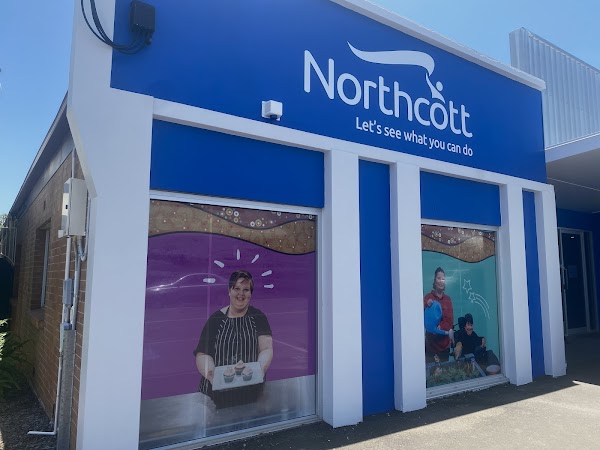
This page features Toowoomba and surrounding providers including Anna Warby Speech Pathology, Making Connections Toowoomba, Bloom Allied Health & Therapy Co, The Place Occupational Therapy and Family Support (Highfields), Healthy Lifestyles Australia, Early Start and Northcott. When comparing options, consider:
- NDIS registration — check whether the provider is NDIS registered, especially if your plan is NDIA-managed.
- Credentials — confirm the supervising therapist is registered with the relevant body: Speech Pathology Australia for speech pathologists, AHPRA for psychologists and physiotherapists, and Occupational Therapy Australia / AHPRA for OTs. Ask about the assistant's training and how supervision works.
- Waitlists — waitlists can be long for popular programs, so ask how long you'll wait and whether telehealth or a different group could start sooner.
- Telehealth — some providers offer online sessions, which can help if travel or scheduling is tricky.
- Location and fit — consider whether the CBD, North Toowoomba, Highfields, East Toowoomba or nearby suburbs suit your family, and whether the group focus matches your child's goals.
Questions to ask
- What are the group's goals, size and age range, and who leads it?
- Which qualified therapist supervises the assistant, and how often?
- Are you NDIS registered, and which funding line will this come from?
- What are your fees, and can I get them in writing?
- How long is the current waitlist, and do you offer telehealth?
- How will you measure and report my child's progress?
Taking the time to ask these questions helps you find a program that genuinely fits your child and your family.