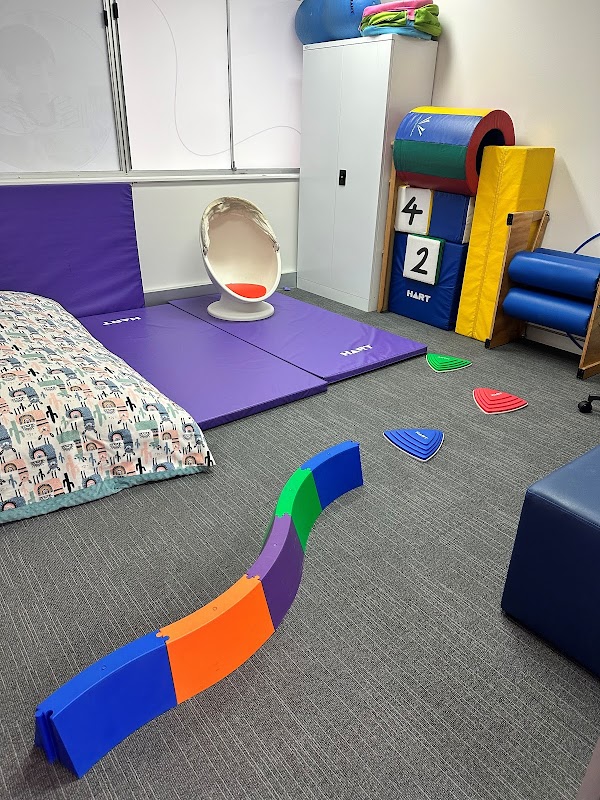
What child psychology involves
Child psychology focuses on how children think, feel and behave as they grow. A psychologist can carry out assessments (for example, of cognition, learning, autism, ADHD or emotional wellbeing) and provide therapy tailored to a child's age and development. Rather than simply talking, sessions with younger children often use play, drawing, games and stories to help them express what's going on. With older children and teens, approaches such as cognitive behavioural therapy (CBT) may be used to build coping skills.
Psychologists work on things like anxiety, low mood, big emotions and meltdowns, friendship and social difficulties, school refusal, sleep, grief and adjustment to family change. They also support parents with practical strategies, because much of a young child's progress happens at home and school.
Signs a child might benefit from support
Every child has hard days, but it may be worth speaking to a professional if you notice patterns such as:
- Ongoing worry, fear or sadness that interferes with daily life
- Frequent, intense or prolonged meltdowns beyond what you'd expect for their age
- Withdrawal from friends, family or activities they used to enjoy
- Trouble with school attendance, learning or concentration
- Changes in sleep, appetite or toileting without a medical cause
- Difficulty managing emotions, aggression or self-esteem struggles
- Reactions to a big change, such as separation, loss or a new sibling
If you're unsure, your GP or paediatrician can help you decide whether a referral is appropriate. This guide is general information only and not a substitute for professional advice.
Suitable ages
Many child psychologists work with children from around age three through to adolescence, though some specialise in particular stages, such as early childhood, primary-school years, perinatal and infant mental health, or teens. When you enquire, ask whether the psychologist regularly sees children of your child's age and presenting needs.
What a first appointment looks like
The first session is usually about getting to know your family and understanding your concerns. For younger children, parents often attend part or all of the appointment. The psychologist may ask about your child's development, health, family, school and what you've noticed at home. Sometimes they'll gather information from teachers (with your consent) or ask you to complete questionnaires.
From there, the psychologist will suggest a plan, which might include a set number of therapy sessions, a formal assessment, or a combination. It's normal for progress to take time and for parents to be given strategies to practise between sessions.
Typical costs and NDIS funding
As a general guide, private psychology sessions in Australia commonly range from around $200 to $300+ per hour. The NDIS publishes price caps that registered providers work within, and actual fees vary by clinic and clinician. Always confirm current pricing directly with the provider, as these figures are indicative only.
Some families access Medicare rebates through a GP Mental Health Treatment Plan (a limited number of subsidised sessions per year). Private health extras may also contribute, depending on your policy.
Under the NDIS, child psychology usually sits under Capacity Building – Improved Daily Living. This funding can cover therapy and, in some cases, assessments that support your child's functional goals. Whether a psychologist can bill your child's plan depends on how your plan is managed (self-managed, plan-managed or NDIA-managed) and whether the provider is NDIS registered. Check this before you book.
How to choose a provider on the Sunshine Coast
This page features providers across the region, including clinics in Maroochydore, Nambour, Bokarina and Peregian Beach. When comparing options, consider:
- Credentials: All psychologists in Australia must be registered with AHPRA (the Psychology Board of Australia). Some hold endorsement as clinical psychologists, and some further specialise in areas like child, family or perinatal mental health. You can verify registration on the AHPRA website.
- NDIS registration: If you plan to use NDIS funding, confirm whether the provider is registered, and how they handle plan-managed or self-managed clients.
- Waitlists: Demand for child psychology is high on the Sunshine Coast, so ask about current wait times and whether there's a cancellation list.
- Fit and experience: Ask whether they have experience with your child's specific needs and age group.
- Telehealth: Some clinics offer video sessions, which can help with travel, illness or fitting appointments around school and work.
Questions to ask before booking
- Are you registered with AHPRA, and do you have experience with children of my child's age and concerns?
- Do you offer the type of support we need (therapy, assessment, or both)?
- What are your fees, and do you offer Medicare rebates, private health claims or NDIS billing?
- If we use the NDIS, which funding line would this fall under, and can you invoice our plan?
- How long is the current waitlist, and is there a cancellation list?
- Do you offer telehealth as well as in-person sessions?
- How do you involve parents and communicate with schools?
Taking a little time to check credentials, funding and fit can make a real difference to your child's experience and progress.