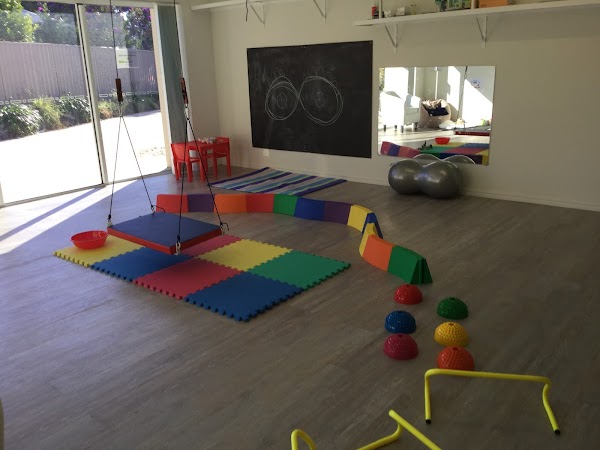
Best Early Intervention in Sunshine Coast

Early intervention brings together speech pathologists, occupational therapists, psychologists and other allied health professionals to support young children (0-6) with developmental delay or disability. This guide explains what to expect, how NDIS funding works, and how to choose a provider on the Sunshine Coast. It also features the providers listed on this page, ranked by rating.

Therapy
Suburb
60 providers in Sunshine Coast
SANA Physiotherapy Maroochydore Sth
1. SANA Physiotherapy Maroochydore Sth
5.0(102)· Maroochydore
Paediatric

General physiotherapy clinic in Maroochydore, QLD, offering manual therapy, rehabilitation, and performance services. Accepts Medicare, WorkCoverQLD, NDIS, and private health insurance. No specific paediatric focus, named practitioners, telehealth, or waitlist details mentioned.

Maroochydore, QLD
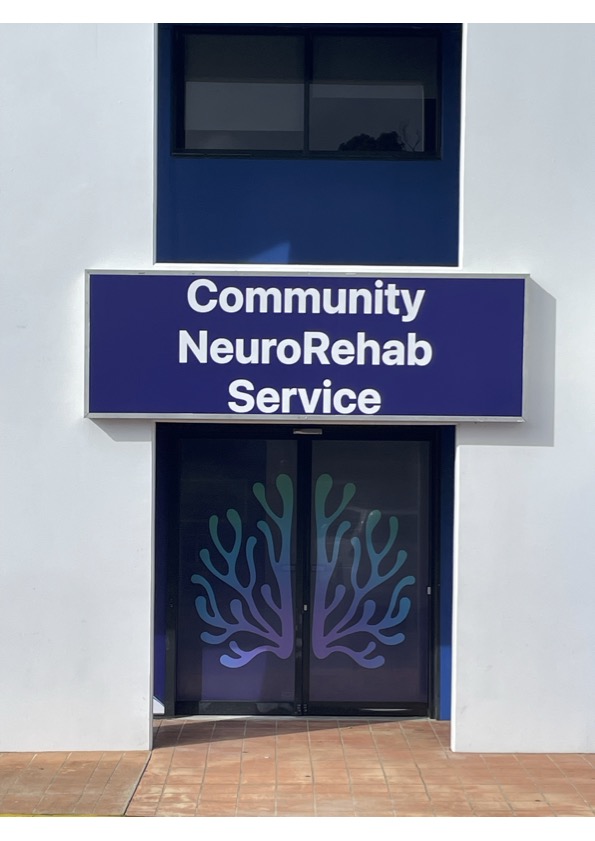
Community Neuro Rehab Service
2. Community Neuro Rehab Service
5.0(40)· Maroochydore
Paediatric

Sunshine Coast-based neurological rehab provider serving ages 2–102 with disabilities, brain injury, stroke, MS and mental health conditions. Offers physiotherapy, occupational therapy, exercise physiology and allied health assistance via home visits and a Buderim clinic, working with NDIS participants and support coordinators.

Maroochydore, QLD
MJ Health Nutrition and Fitness
4. MJ Health Nutrition and Fitness
5.0(31)· Maroochydore
Paediatric

Sunshine Coast based sports dietitian and performance coaching service for ages 10+, including teen athletes and parents seeking child nutrition guidance. Offers 1:1 dietitian consults, in-person and telehealth via Cliniko. No NDIS registration or waitlist mentioned.

Maroochydore, QLD
Coastal Physiotherapy
5. Coastal Physiotherapy
5.0(30)· Maroochydore
Paediatric

General physiotherapy and occupational therapy practice in Maroochydore, Sunshine Coast, treating pain, sports injuries and post-surgical rehabilitation. No paediatric-specific details, NDIS registration, telehealth, or waitlist information mentioned.

Maroochydore, QLD
Sports & Spinal Kawana
6. Sports & Spinal Kawana
5.0(24)· Birtinya
NDIS RegisteredPaediatric

Sports & Spinal Kawana is a multidisciplinary clinic offering Physiotherapy, Podiatry, Exercise Physiology, Dietetics, Remedial Massage, Pilates and Psychology. NDIS registered, accepts Medicare rebates and HICAPS claims. No paediatric-specific ages, telehealth, or waitlist details mentioned.

Dig In Health Co - Dietitian Beerwah
7. Dig In Health Co - Dietitian Beerwah
5.0(21)· Beerwah
Paediatric

Dietitian service led by Will Gold, offering nutrition support across Sunshine Coast, Bribie Island and North Brisbane. Provides home visits and telehealth, supports NDIS (plan & self-managed), My Aged Care, DVA, Medicare and private clients, including nutrition therapy assistance for NDIS participants.

Sunshine Coast Kids Therapy
8. Sunshine Coast Kids Therapy
5.0(16)· Buderim
Paediatric

Early intervention paediatric occupational therapy service in Buderim, QLD, for babies and children up to age 8. Offers sensory integration and OT assessments/therapy in a home-like clinic setting.

Free · no obligation

Check availability with 3 local providers

One enquiry, three replies. We'll send your details to the 3 nearest children's therapy providers — compare replies and choose whoever suits your family best.

What early intervention involves

Early intervention is support delivered while a child's brain is still developing rapidly — usually between birth and around six years of age. The aim is to build skills in areas such as communication, play, movement, social interaction, self-care and emotional regulation, and to coach families so the learning continues at home.

Most programs are multidisciplinary, meaning several professionals work together. Depending on your child's needs, that team might include a speech pathologist, occupational therapist (OT), physiotherapist, psychologist, and an educator or key worker who coordinates the plan. Good early intervention is family-centred: therapists work with you, not just on your child, embedding strategies into everyday routines like mealtimes, dressing and play.

Signs a child might benefit from support

Every child develops at their own pace, but it's worth talking to your GP, child health nurse or paediatrician if you notice things like:

  • Not babbling, pointing or using words by expected ages
  • Difficulty understanding or following simple instructions
  • Delays in sitting, crawling, walking or coordination
  • Limited eye contact or difficulty engaging with others
  • Struggles with play, sharing attention or transitions
  • Big, frequent meltdowns or trouble settling and self-regulating
  • Difficulty with feeding, dressing or other daily tasks

A formal diagnosis is not required to start early intervention, and you don't need to wait until you're certain something is wrong. Acting early tends to make support more effective.

This guide is general information only and is not medical advice. Always discuss developmental concerns with your GP or paediatrician.

Suitable ages

Early intervention generally targets children from birth to six years. Under the NDIS, children under nine can access support through the early childhood approach, so even if your child is a little older, the early childhood pathway may still apply. The earlier support begins, the better — but it is never "too late" to seek help.

What a first appointment looks like

Your first visit is usually an assessment and getting-to-know-you session. Expect the therapist to:

  • Ask about pregnancy, birth, milestones, health and family history
  • Watch your child play or complete simple tasks
  • Discuss your goals and priorities for your child
  • Possibly use standardised assessment tools

You'll typically leave with an initial impression, some early strategies to try at home, and a recommended plan (frequency, which disciplines are involved, and goals). Bring any reports, your NDIS plan if you have one, and a list of your questions and concerns.

Typical AU costs and NDIS funding

Allied health rates vary. As a general guide, individual therapy sessions in Australia often fall in the $150–$220+ per hour range. The NDIS publishes price caps in its Pricing Arrangements and Price Limits, which many providers use as a reference. Costs vary by provider, discipline and session length, so always confirm current fees directly.

Under the NDIS, early intervention therapy is usually funded through the Capacity Building — Improved Daily Living budget. Assessments and reports may also be covered. If you're not with the NDIS, some support may be accessible through Medicare (with a GP referral and care plan) or private health extras — check your eligibility and rebates.

How to choose a provider on the Sunshine Coast

The providers featured on this page are spread across Maroochydore, Birtinya, Caloundra, Buderim and Peregian Beach. When comparing options, consider:

  • NDIS registration: Ask whether the provider is NDIS-registered. Self-managed and plan-managed participants can also use non-registered providers, so clarify what suits your plan type.
  • Therapist credentials: Speech pathologists should be certified with Speech Pathology Australia; occupational therapists and physiotherapists should be registered with AHPRA (and OTs may be members of Occupational Therapy Australia); psychologists are registered with AHPRA. Ask to confirm registration.
  • Waitlists: Early intervention waitlists can be long. Ask how long the wait is and whether you can join more than one list.
  • Telehealth: Some sessions and reviews can be done via telehealth, which helps if you're regional or juggling appointments.
  • Team approach: For genuine multidisciplinary support, ask how the therapists communicate and coordinate goals.

Questions to ask

  • Are you NDIS-registered, and do you work with plan-managed or self-managed participants?
  • What are your fees, and do they align with the NDIS price caps?
  • What are the qualifications and registrations of the therapists?
  • How long is your current waitlist?
  • Do you offer telehealth or home/childcare-based sessions?
  • How will you involve me and set goals for my child?
  • How do you measure and report on progress?

Take your time, trust your instincts, and choose a team that communicates clearly and makes your family feel supported.
Other therapy types in Sunshine Coast

Or read the full early intervention guide, or browse all Sunshine Coast providers.

Frequently asked questions

Do I need a diagnosis before starting early intervention?

No. You don't need a formal diagnosis to begin early intervention. If you or a health professional have concerns about your child's development, you can seek support straight away. Many families start based on developmental concerns alone.

How does NDIS funding work for early intervention?

Children under nine can access the NDIS early childhood approach. Therapy is generally funded through the Capacity Building — Improved Daily Living budget. The NDIS sets price caps that many providers reference. Always confirm current fees and what your plan covers.

What ages does early intervention support?

Early intervention typically supports children from birth to six years, when development is happening rapidly. Under the NDIS early childhood approach, children under nine may also access support. Starting earlier generally leads to better outcomes.

How do I check a therapist's credentials on the Sunshine Coast?

Speech pathologists should be certified with Speech Pathology Australia. Occupational therapists, physiotherapists and psychologists should be registered with AHPRA, and OTs may belong to Occupational Therapy Australia. Ask each provider to confirm their registrations.

Are there waitlists for early intervention in the Sunshine Coast?

Waitlists are common and can be lengthy. It's worth contacting several providers, asking about current wait times, and joining more than one waitlist. Some clinics offer telehealth, which may reduce the wait or travel involved.