Best Occupational Therapy on the Sunshine Coast

Occupational therapy (OT) helps children build the everyday skills they need to learn, play and grow with confidence — from holding a pencil to managing big feelings. This guide explains what paediatric OT involves, how it's funded through the NDIS, and how to choose a provider on the Sunshine Coast, featuring listed clinics across Maroochydore, Caloundra, Nambour, Sippy Downs, Birtinya and more.

Therapy
Suburb
60 providers in Sunshine Coast
Community Neuro Rehab Service
1. Community Neuro Rehab Service
5.0(40)· Maroochydore
Paediatric

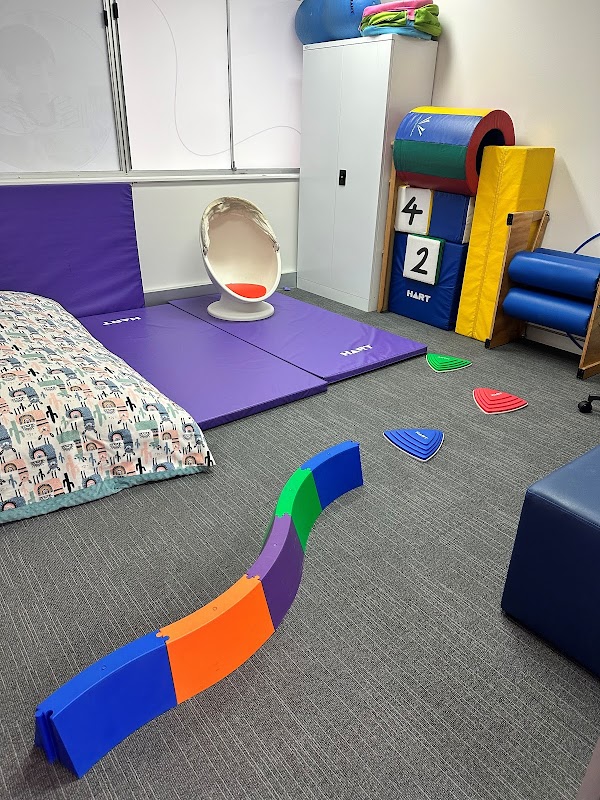
Sunshine Coast-based neurological rehab provider serving ages 2–102 with disabilities, brain injury, stroke, MS and mental health conditions. Offers physiotherapy, occupational therapy, exercise physiology and allied health assistance via home visits and a Buderim clinic, working with NDIS participants and support coordinators.

Maroochydore, QLD
Coastal Physiotherapy
2. Coastal Physiotherapy
5.0(30)· Maroochydore
Paediatric

General physiotherapy and occupational therapy practice in Maroochydore, Sunshine Coast, treating pain, sports injuries and post-surgical rehabilitation. No paediatric-specific details, NDIS registration, telehealth, or waitlist information mentioned.

Maroochydore, QLD
Sunshine Coast Kids Therapy
3. Sunshine Coast Kids Therapy
5.0(16)· Buderim
Paediatric

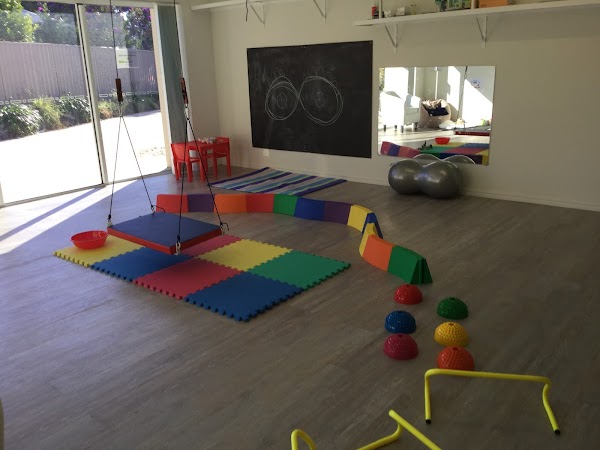
Early intervention paediatric occupational therapy service in Buderim, QLD, for babies and children up to age 8. Offers sensory integration and OT assessments/therapy in a home-like clinic setting.

Little Joey's Therapy Group
4. Little Joey's Therapy Group
5.0(15)· Buderim
Paediatric

Little Joey's Therapy Group provides paediatric occupational therapy, including sensory processing and sensory integration support, focusing on motor skills, daily living, emotional regulation, and social learning. Services offered at clinic, pre-school/school, and online (telehealth) settings.

Bright Therapy
5. Bright Therapy
5.0(12)· Mountain Creek
Paediatric

Bright Therapy offers paediatric occupational therapy for children, adolescents and young adults, using a holistic, strength-based, family-centred approach. Located in Mountain Creek, QLD, with services also provided in home, school or community settings, Monday to Friday.

Mountain Creek, QLD
My Therapy Crew - Sunshine Coast
6. My Therapy Crew - Sunshine Coast
5.0(10)· Alexandra Headland
Paediatric

Multidisciplinary allied health provider with Sunshine Coast clinic offering OT, physiotherapy, speech pathology, positive behaviour support, dietetics and allied health assistants for all ages under NDIS plans. No telehealth or waitlist details specified; intake via referral form, contact made when availability arises.

Alexandra Headland, QLD
Lodestar Therapy
7. Lodestar Therapy
5.0(7)· Currimundi
Paediatric

Lodestar Therapy is an allied health provider offering Occupational Therapy, Speech Therapy, Physiotherapy, Social Work, Allied Health Assistant services, and NDIS Consultation for people of all ages and abilities. No specific practitioner names, telehealth details, waitlist information, or explicit NDIS registration status are stated.

Currimundi, QLD
Early Start Australia - Sunshine Coast
8. Early Start Australia - Sunshine Coast
5.0(7)· Maroochydore
Paediatric

Maroochydore clinic supporting ages 1-18 with occupational therapy, speech pathology, psychology, and autism/ADHD assessments. Accepts NDIS-funded, privately-funded, and care plan clients. Offers immediate availability for OT and speech pathology assessments and ongoing therapy, no waitlist mentioned.

Maroochydore, QLD

Free · no obligation

Check availability with 3 local providers

One enquiry, three replies. We'll send your details to the 3 nearest children's therapy providers — compare replies and choose whoever suits your family best.

What occupational therapy involves for children

Occupational therapy for kids focuses on the everyday "occupations" of childhood — playing, learning, self-care and getting along with others. A paediatric OT looks at how a child's body, senses and thinking come together to complete tasks, then works on the specific skills that are tricky.

Common areas of support include:

  • Fine motor skills — handwriting, using scissors, doing up buttons and zips, cutlery skills
  • Gross motor and coordination — balance, ball skills, and planning movements
  • Sensory processing — helping children who are over- or under-sensitive to sound, touch, movement or textures
  • Daily-living skills — dressing, toileting, mealtimes, sleep routines
  • Attention, self-regulation and emotional control — coping strategies and calming techniques
  • School readiness and participation — sitting, following instructions and joining in

OTs often work through play, because play is how children learn best. Many also provide practical strategies and equipment recommendations for home and school.

Signs a child might benefit from OT

Every child develops at their own pace, but you might consider an OT assessment if your child:

  • Avoids or struggles with drawing, writing or using their hands
  • Finds dressing, feeding or toileting harder than expected for their age
  • Is very sensitive to noise, clothing tags, food textures or messy play — or seeks out constant movement
  • Has trouble with coordination, balance or seems clumsy
  • Finds it hard to sit still, focus or manage frustration
  • Is falling behind peers with school tasks or self-care

If you have concerns, it's worth talking to your GP, paediatrician or child health nurse as a first step.

Suitable ages

Paediatric OT can help from the early years right through to the teens. Early support (from toddler and preschool age) is often encouraged because young brains are highly adaptable, but there's no "too late" — OTs also support primary and high-school-aged children with school, independence and social participation.

What a first appointment looks like

An initial appointment usually starts with a conversation about your concerns, your child's development and your goals. The OT may observe your child playing, use standardised assessments, and ask about routines at home and school. This helps them understand your child's strengths and challenges.

After the assessment, the therapist typically provides a report or summary and recommends a plan — how often to attend, what to work on, and any strategies for home. Bring along any previous reports, and a list of the things you'd most like help with.

Typical costs and NDIS funding

As a general guide, occupational therapy in Australia commonly ranges from around $180 to $220+ per hour. The NDIS publishes price limits (caps) for therapy supports that registered providers work within, and these are reviewed each year. Costs can vary by clinic, session length, travel and report writing, so always ask for a clear quote and a service agreement up front.

Under the NDIS, OT is usually funded through Capacity Building — Improved Daily Living. Depending on your plan, funding may be:

  • Self-managed — you pay providers and claim back
  • Plan-managed — a plan manager pays invoices on your behalf
  • NDIA-managed — you must use NDIS-registered providers

Some families access OT privately, through private health extras cover, or via Medicare with a GP-referred Chronic Disease Management plan (limited rebated sessions). Check what applies to your situation.

Pricing above is a general guide only and not a quote — confirm current fees and NDIS price caps directly with each provider.

How to choose a provider on the Sunshine Coast

This page features providers across the region, including Sunbears Paediatric Occupational Therapy (Maroochydore), Grow Play Create (Sippy Downs), Your Best Life Children's and Teens' Therapy (Bokarina), Limitless Allied Health and Talk Plus Allied Health Centre (Caloundra), Minerva Allied Health Services (Maroochydore), Bambini Allied Health (Birtinya), and clinics in Nambour and Minyama.

When comparing providers, consider:

  • NDIS registration — if your plan is NDIA-managed you must use registered providers; plan- and self-managed families have more flexibility
  • Therapist credentials — check the OT is registered with AHPRA (occupational therapists must be) and, ideally, a member of Occupational Therapy Australia. If speech is also involved, check membership of Speech Pathology Australia
  • Paediatric experience — ask whether therapists specialise in children and in your area of concern (e.g. sensory, handwriting, feeding)
  • Waitlists — availability varies, so ask about current wait times early
  • Telehealth — useful if you're rural or juggling appointments; ask whether it suits your child
  • Location and mobile visits — some clinics offer school, home or kindy visits

Questions to ask

  • Are your OTs registered with AHPRA and members of OT Australia?
  • Are you an NDIS-registered provider, and do you accept plan- and self-managed clients?
  • What's your current waitlist for a first appointment?
  • What are your fees for assessment, sessions and reports?
  • How do you set goals and measure progress?
  • Do you offer telehealth, home, school or kindy visits?
  • How will you work with our family, school and other therapists?

Taking the time to ask these questions helps you find the right fit for your child and family.
Other therapy types in Sunshine Coast

Or read the full occupational therapy guide, or browse all Sunshine Coast providers.

Frequently asked questions

How do I know if my child needs occupational therapy?

Consider an OT assessment if your child struggles with handwriting, dressing, coordination, sensory sensitivities, attention or self-care beyond what's typical for their age. Your GP, paediatrician or child health nurse can help guide you and provide referrals if needed.

Is occupational therapy covered by the NDIS?

Yes. OT is typically funded under Capacity Building — Improved Daily Living. How you access it depends on whether your plan is self-managed, plan-managed or NDIA-managed. NDIA-managed plans require NDIS-registered providers, so check each provider's registration status.

How much does children's OT cost on the Sunshine Coast?

As a general guide, OT in Australia often ranges from around $180 to $220+ per hour, and the NDIS sets price caps that registered providers work within. Fees vary between clinics, so always request a written quote and service agreement. This is a guide only, not a quote.

What should I check before booking an OT?

Confirm the therapist is registered with AHPRA and ideally a member of Occupational Therapy Australia, check their experience with children and your area of concern, ask about NDIS registration, current waitlists, fees, and whether they offer telehealth or home and school visits.

At what age can a child start occupational therapy?

OT can support children from the toddler and preschool years through to the teens. Early support is often encouraged because young children adapt quickly, but OTs work with all ages on skills like self-care, school participation and independence.