What is support coordination?
Support coordination is a service funded under the NDIS to help you understand your child's plan, connect with the right providers, and put supports in place. A support coordinator doesn't deliver therapy — instead, they help you build the skills and confidence to use your plan effectively, coordinate multiple services (like speech pathology, occupational therapy and psychology), and resolve problems when they come up.
There are generally three levels of support coordination funded in NDIS plans:
- Support connection — short-term help to build your ability to connect with providers and the community.
- Support coordination (coordination of supports) — help to design and implement a mix of supports, build capacity, and coordinate services.
- Specialist support coordination — a higher, time-limited level for families facing more complex situations, often involving multiple services or significant barriers.
The level you receive is written into your child's plan by the NDIS. If you're not sure which level you have, your planner or Local Area Coordinator (LAC) can help clarify it.
What support coordination involves for children
For a child, support coordination usually means the coordinator works closely with parents and carers rather than the child directly. Typical tasks include:
- Explaining what each budget line in the plan can and can't be used for.
- Researching and shortlisting suitable therapists and services in the Sunshine Coast area.
- Helping you compare quotes and understand service agreements.
- Coordinating between a child's various therapists so everyone is working toward shared goals.
- Preparing evidence and reports ahead of a plan review.
- Stepping in if there are waitlists, service gaps, or issues with a provider.
Signs your family might benefit from support coordination
You might find support coordination useful if:
- You've recently received a first NDIS plan and feel overwhelmed by the process.
- Your child needs several different therapies and you're struggling to coordinate them.
- You're unsure how to spend certain budget lines or worried about running out of funding.
- You've hit long waitlists and need help finding services with availability.
- A plan review is coming up and you want help preparing.
- Your family circumstances are complex and you need extra guidance.
Suitable ages
Support coordination is available for NDIS participants of any age, including young children. For children under 9, families often work with the NDIS early childhood approach and an early childhood partner, so it's worth checking how support coordination fits alongside that. For school-aged children and teenagers, support coordination can be especially helpful when juggling school, therapy and community activities.
What a first appointment looks like
Your first meeting with a support coordinator is usually a get-to-know-you session. Expect them to:
- Review your child's NDIS plan and goals with you.
- Ask about your family's priorities, routines and any current supports.
- Explain how they work and how often you'll be in contact.
- Discuss any immediate needs, such as urgent therapy referrals.
Many providers offer this appointment in person, by phone, or via telehealth — handy if you're outside Maroochydore, Caloundra or the hinterland. Bring a copy of your child's plan and a list of your questions.
Typical costs and NDIS funding
Support coordination is funded under the Capacity Building — Support Coordination budget in your child's NDIS plan. Because it's funded separately, it generally doesn't reduce the money available for therapy.
The NDIS sets maximum price caps for support coordination, which are reviewed each year and published in the NDIS Pricing Arrangements and Price Limits. As a general guide, hourly rates in Australia commonly sit in the $100–$200+ per hour range depending on the level of coordination, with specialist support coordination priced higher. These figures are indicative only — always confirm current rates against the latest NDIS price caps and your provider's service agreement, as prices change and vary by provider.
Because your funding is a fixed number of hours, it's worth asking a coordinator how they'll make those hours count.
How to choose a provider on the Sunshine Coast
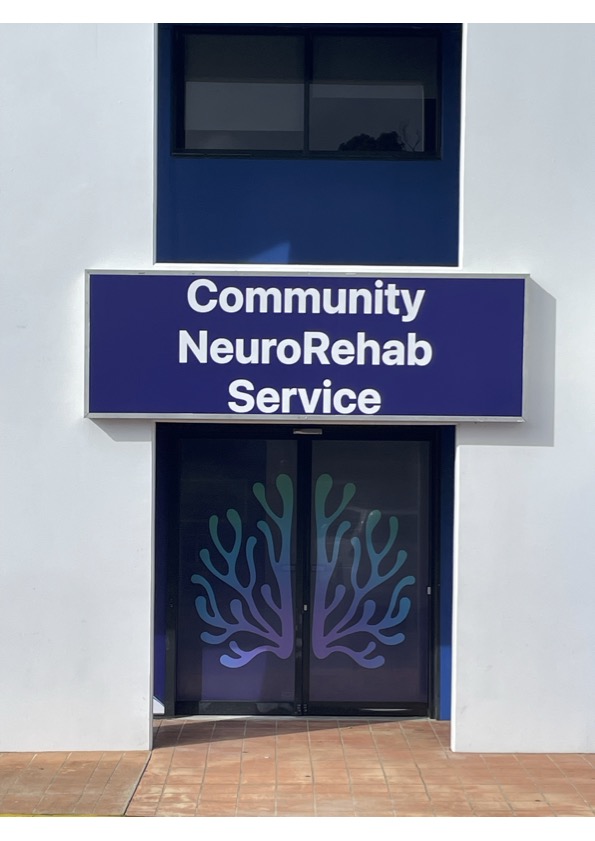
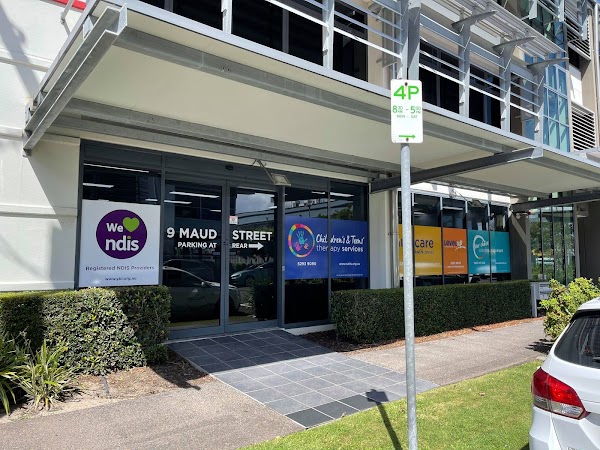
This page features providers including Community Neuro Rehab Service (Maroochydore), Lodestar Therapy (Currimundi), Better Rehab - Sunshine Coast (Sippy Downs), Ability Action Australia Maroochydore, and Your Best Life Mental Health Maroochydore. When comparing options, consider:
- NDIS registration — check whether the provider is NDIS-registered, especially if your child's plan is NDIA-managed (agency-managed plans generally require registered providers).
- Credentials and experience — support coordinators come from varied backgrounds; some hold allied health qualifications (for example through Speech Pathology Australia, AHPRA, or Occupational Therapy Australia). Ask about their experience with children and your child's specific needs.
- Waitlists — availability varies, so ask how soon they can start and how quickly they respond to messages.
- Telehealth options — useful for families in the hinterland or with busy schedules.
- Independence — ask whether they also deliver other services, and how they manage any conflict of interest when recommending providers.
Questions to ask before you commit
- Are you NDIS-registered, and do you work with my child's plan management type?
- What experience do you have supporting children like mine?
- How many hours of coordination will you use, and how will you track them?
- How do you choose which providers to recommend?
- How will you keep me updated, and how do I reach you between meetings?
- Can you help me prepare for my child's next plan review?
Taking a little time to compare providers helps you find a coordinator who genuinely fits your family and gets your child's supports moving.