What therapy assistants and groups involve
Allied health assistants (AHAs) are trained support workers who deliver parts of a therapy program under the direction and supervision of a qualified therapist — such as a speech pathologist, occupational therapist or physiotherapist. The therapist sets the goals and plan, then the assistant helps your child practise and repeat activities more often, usually at a lower hourly rate.
Group programs bring a small number of children together to work on shared goals — for example, social skills, play, emotional regulation, fine-motor tasks, or early language. Groups are typically run or overseen by a qualified therapist and can be a great fit for skills that are naturally practised with other children, like turn-taking, friendships and communication.
Together, these options let families stretch their therapy budget and give children more chances to practise, while a lead therapist keeps the plan on track.
Signs your child might benefit
Every child develops at their own pace, and this is general information rather than medical advice. Some parents look into therapy assistant or group support when a child:
- has therapy goals set by a therapist that need lots of repetition to embed
- is working on social or play skills and would benefit from practising with peers
- finds one-on-one sessions with a therapist tiring or hard to sustain weekly
- needs help transferring skills into everyday routines at home, school or the community
- is on a waitlist for a therapist and could start structured practice sooner
If you have concerns about your child's development, a GP, paediatrician or qualified allied health professional can help you work out what support fits.
Suitable ages
Groups and assistant-supported sessions run across a wide age range, from toddlers and preschoolers through to primary school and teens. Programs are usually grouped by age and stage — early-years play groups, school-readiness groups, social skills groups for older children, and teen programs. Ask each provider which age bands they cater for and how they match children within a group.
What a first appointment looks like
In most cases you'll start with the lead therapist rather than the assistant. A first appointment usually involves:
- a chat about your child's strengths, challenges and daily routines
- discussion of the goals you'd like to work toward
- some informal observation or play-based assessment
- an explanation of how assistant sessions or a group would run, and how progress is reviewed
For groups, the provider may want to meet your child first to check the group is a good fit. Bring any recent reports, assessments or your NDIS plan if you have one.
Typical costs and NDIS funding
As a general guide in Australia, therapy assistant sessions often sit lower than a qualified therapist's hourly rate, while group programs are usually charged per session or per term and can work out cheaper per child because the cost is shared. The NDIS publishes annual price caps that set the maximum providers can charge NDIS participants, and these change over time — always confirm current pricing directly with the provider, as fees vary and these are general ranges only.
Under the NDIS, therapy assistant and group supports are usually funded from the Capacity Building — Improve Daily Living budget, the same line that funds allied health therapy. How you can spend it depends on whether your plan is self-managed, plan-managed or agency-managed. If you're unsure, your support coordinator or plan manager can help you check what your plan covers.
How to choose a provider on the Sunshine Coast
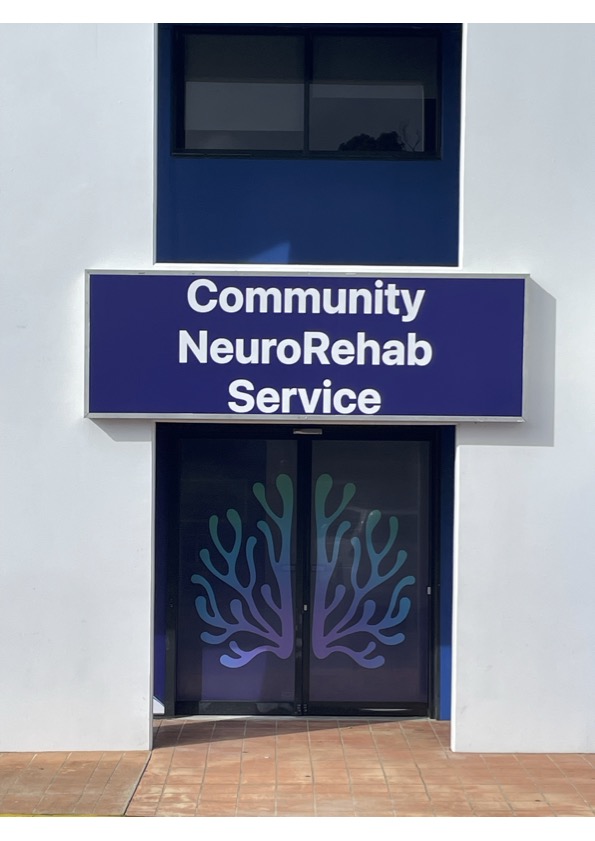
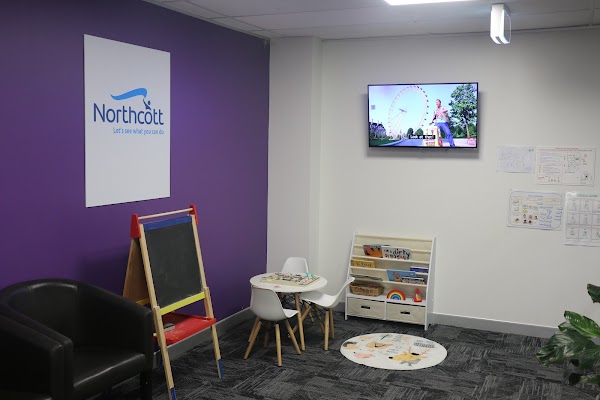
This page features providers across the region, including Community Neuro Rehab Service, My Therapy Crew, Lodestar Therapy, Northcott, the ZOE Allied Health clinics (Cotton Tree, Maroochydore and Caloundra), More Than Able Therapy, Your Best Life Children's and Teens' Therapy at Kawana, Children's and Teens' Therapy Services, Chatter-Boxes Therapy Centre and Therapy Assistance Sunshine Coast. When comparing them, look at:
- NDIS registration — check whether the provider is NDIS-registered if your plan is agency-managed, as this may affect who you can use.
- Credentials and supervision — confirm the lead therapist is registered with the relevant body: Speech Pathology Australia for speech pathologists, AHPRA for psychologists and physiotherapists, and Occupational Therapy Australia / AHPRA for OTs. Ask how assistants are trained and supervised.
- Waitlists — waitlists can vary a lot between clinics and seasons, so ask upfront how long you'll wait to start.
- Telehealth — some parts of a program can be delivered online, which helps if you're further from Maroochydore, Caloundra or Nambour.
- Location and logistics — factor in travel, parking and session times around school.
Questions to ask before you book
- Who sets and reviews my child's goals, and how often?
- What are the assistant's qualifications, and who supervises them?
- How large are your groups and how do you match children?
- What are your current fees and how do they align with NDIS price caps?
- Which NDIS funding line do you bill to, and do you handle plan-managed claims?
- What's your current waitlist, and do you offer telehealth?
- How will you keep me updated on progress?
Taking time to ask these questions helps you find support that genuinely fits your child and your family's routine.