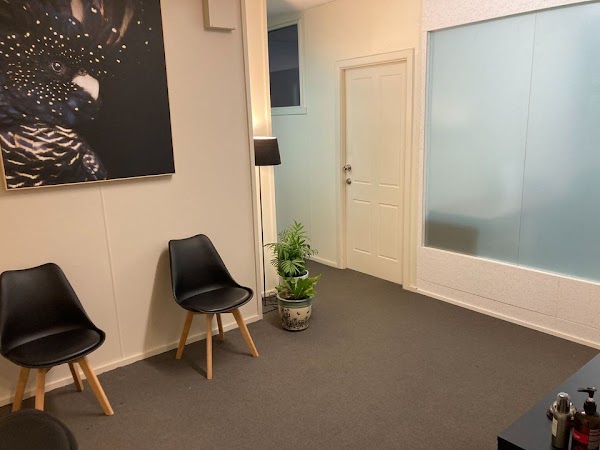
What child psychology involves for children
Child psychologists support children with their emotional, behavioural and developmental needs. This can include assessments (for example, autism, ADHD, learning or cognitive assessments), as well as therapy to help children manage anxiety, big emotions, friendships, school stress, grief, trauma and behaviour that's tough to live with.
Psychologists use age-appropriate, evidence-based approaches. For younger children this often looks like play-based work, while older children and teens may do more talking-based therapy such as cognitive behaviour therapy (CBT). Many psychologists also coach parents, because change often happens fastest when the whole family is involved.
It's worth knowing the difference between an assessment and therapy. An assessment aims to understand your child's profile and may result in a diagnosis or recommendations. Therapy is ongoing support to build skills and wellbeing. Some clinics do both; some focus on one.
Signs a child might benefit from support
Every child has hard days, but you might consider seeking support if you notice patterns such as:
- Persistent worry, fears or sadness that don't shift
- Frequent, intense meltdowns or anger beyond what's typical for their age
- Withdrawal from friends, family or activities they used to enjoy
- Sleep problems, changes in appetite, or physical complaints with no medical cause
- School refusal, falling behind, or big struggles with attention and organisation
- Difficulty with social connection or communication
- A recent stressful event such as a family separation, loss or bullying
Trust your instincts. If something feels off and it's affecting your child's day-to-day life, it's reasonable to seek professional input. This guide is general information only and is not medical advice — always speak with a qualified professional about your child.
Suitable ages
Child psychologists typically work with children and adolescents from around age 3 up to 17 or 18. Some clinics specialise in early childhood, others in primary-aged children or teens. When you enquire, check the practitioner has experience with your child's specific age and needs.
What a first appointment looks like
The first appointment is usually about gathering information and building rapport. Often the psychologist will meet with parents or carers first (sometimes without the child) to hear your concerns and history. They may ask about development, family, school, sleep, and what you're hoping to achieve.
For assessments, expect an intake session followed by structured testing across one or more appointments, then a feedback session and a written report. For therapy, early sessions focus on understanding your child and setting goals, before moving into the actual work. Progress with children is rarely linear, so patience helps.
Typical AU costs and NDIS funding
Private psychology sessions in Australia commonly range from around $180 to $300+ per hour, and comprehensive assessments (such as autism or ADHD assessments) can run from roughly $1,000 to $3,000+ depending on what's included. These are general ranges only and vary between providers — always confirm current fees directly with the clinic.
There are several ways to reduce costs:
- Medicare rebates may be available through a GP Mental Health Treatment Plan or a paediatrician referral.
- NDIS: If your child has an NDIS plan, psychology is usually funded under Capacity Building – Improved Daily Living. The NDIS sets price caps that registered providers must work within, so ask how the provider bills against your plan.
- Private health extras cover may contribute for some services.
How you're funded (Agency-managed, plan-managed or self-managed) affects which providers you can use, so check this before booking.
How to choose a provider in Wollongong
This page features Wollongong-region providers including the Child Assessment Clinic (Unanderra), The Wattle Tree Clinic, Sunny Day Kids Clinic (Figtree), Teresa Henriques and Julie Trista Psychologist, Sense Therapies (Bulli), The Psychology Spot, Real Therapy Solutions (Port Kembla) and others across the area. Ratings and review numbers can be a helpful starting point, but they shouldn't be the only thing you weigh up.
When comparing providers, consider:
- NDIS registration: If you're Agency-managed you'll need a registered provider. Plan-managed and self-managed participants have more flexibility, but always confirm.
- Credentials: Check the psychologist is registered with AHPRA (the national board for psychologists). Look for relevant experience with children and your child's specific needs. If a clinic offers occupational therapy too, OTs should be registered with AHPRA / OT Australia; speech pathologists with Speech Pathology Australia.
- Waitlists: These can be long for child psychology and assessments. Ask upfront how long you'll wait for an intake and for an assessment report.
- Telehealth: Some providers offer video sessions, which can suit families with travel, work or availability challenges.
- Approach and fit: Ask about their therapeutic style — for example, whether they're neuro-affirming, play-based or family-focused.
Questions to ask before booking
- Are you registered with AHPRA, and do you have experience with my child's age and concerns?
- Are you an NDIS registered provider, and can you bill my plan management type?
- What's your current waitlist for intake and for a completed assessment?
- What does an assessment or therapy course typically involve and cost?
- How do you involve parents and communicate with schools?
- Do you offer telehealth or after-hours appointments?
Taking the time to ask these questions helps you find a psychologist who's the right fit for your child and family.