What speech pathology involves for children
Speech pathologists (often called speechies) support far more than just clear speech. For children, their work usually covers a few broad areas:
- Speech sounds – how clearly a child pronounces words and whether others can understand them.
- Language – understanding what's said (receptive language) and putting words and sentences together (expressive language).
- Social communication – taking turns, staying on topic, and using language to interact.
- Fluency and voice – including stuttering and voice quality.
- Feeding and swallowing – for babies and children who have difficulty eating, drinking or managing textures safely.
- Early literacy – the foundations for reading and spelling.
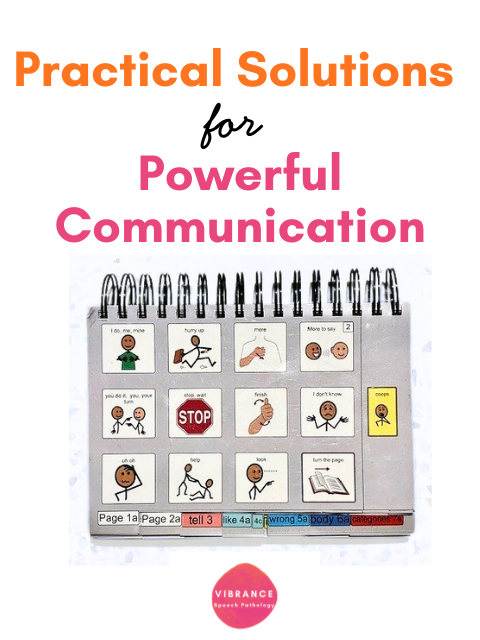
Some children also use tools like picture cards, communication apps or devices (known as AAC) to help them get their message across.
Signs your child might benefit from support
Every child develops at their own pace, but it can be worth speaking to a professional if you notice:
- Limited or no words by around 18 months to 2 years.
- Speech that's hard for unfamiliar people to understand at 3 or older.
- Trouble following simple instructions or answering questions.
- Frustration when trying to communicate, or frequent meltdowns linked to being misunderstood.
- Stuttering or getting stuck on words that lasts more than a few months.
- Difficulty chewing, swallowing, or a very restricted range of foods.
- Not combining words into short phrases by around age 2 to 3.
If you're worried, trust your instincts. Early support often makes a real difference, and you don't need to wait for a formal diagnosis to seek an assessment.
Suitable ages
Speech pathology supports children from infancy right through the school years. Feeding therapy can start in the first months of life, early language support often begins in the toddler and preschool years, and school-aged children may work on speech clarity, literacy, social skills or fluency. It's never too early to ask a question, and it's rarely too late to get help.
What a first appointment looks like
The first session is usually an assessment and a chat. The therapist will ask about your child's development, health, and your concerns, then observe and play with your child or run some structured activities. For younger kids, much of this happens through play. You may be asked to complete questionnaires beforehand.
Afterwards, the speechie will explain what they've found and discuss goals and a possible therapy plan. Bring any relevant reports, your child's health record, and a list of your questions. Sessions are often more effective when a parent or carer is involved, so expect to be part of the process and to practise strategies at home.
Typical costs and NDIS funding
As a general guide, private speech pathology in Australia often ranges from around $180 to $220+ per session or hour. The NDIS publishes price limits (caps) that registered providers must work within, and these are updated periodically. Prices vary between clinics and by session length, so always confirm current fees directly with the provider — the figures here are indicative only.
If your child has NDIS funding, speech pathology usually sits under the Capacity Building – Improved Daily Living budget. This funding can cover assessment, therapy, reports and some planning time. It's worth checking whether your plan is self-managed, plan-managed or NDIA-managed, as this affects which providers you can use. NDIA-managed plans generally require an NDIS-registered provider, while self- and plan-managed plans give you more flexibility.
How to choose a provider in Wollongong
This page features local clinics including Better Rehab – Wollongong (Warilla), Coastal Speech Therapy (Port Kembla), Let's Talk Intervention Services (Wollongong), Vibrance Speech Pathology (Balgownie), The Shepherd Centre Wollongong (West Wollongong), Fusion Speech Therapy Services (Port Kembla), More to Say Speech Pathology (Woonona), Capable Kids South Coast (Port Kembla), Ability Action Australia Wollongong, Stability Children's Therapy Wollongong (Figtree), Real Therapy Solutions (Port Kembla) and Lenehan Speech Pathology (Balgownie).
When comparing them, look at:
- Credentials – check the therapist is a Certified Practising Speech Pathologist with Speech Pathology Australia membership.
- NDIS registration – confirm whether they're NDIS-registered, especially if your plan is NDIA-managed.
- Experience – ask whether they regularly work with your child's age group and area of need (for example, feeding, stuttering or AAC).
- Waitlists – waitlists in the region can vary from weeks to months, so ask early.
- Location and telehealth – consider travel from suburbs like Warilla, Figtree or Woonona, and whether telehealth or home/school visits are offered.
Questions to ask
- Are your therapists Certified Practising members of Speech Pathology Australia?
- Are you NDIS-registered, and do you work with plan- and self-managed families?
- What's your current waitlist?
- What are your session fees and cancellation policy?
- How do you involve parents in therapy?
- Do you offer telehealth or visits to home, childcare or school?
Take your time, ask questions, and choose a provider your child feels comfortable with — a good rapport makes a big difference.