What early intervention involves
Early intervention (often shortened to EI) is a coordinated set of therapies and supports designed for children aged roughly 0–6 who have — or are at risk of — developmental delay or disability. Rather than a single appointment, it's usually an ongoing program built around your child's specific needs.
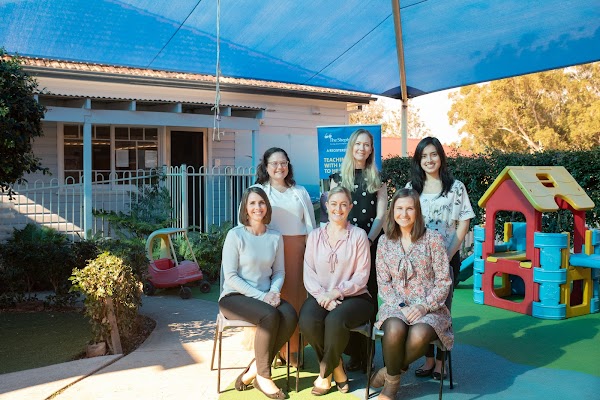
Multidisciplinary programs bring different professionals together, which can include:
- Speech pathologists — for communication, language, and feeding
- Occupational therapists (OTs) — for play, fine motor skills, sensory processing, and daily routines
- Physiotherapists — for movement, strength, and gross motor development
- Psychologists and early childhood educators — for behaviour, social skills, and learning
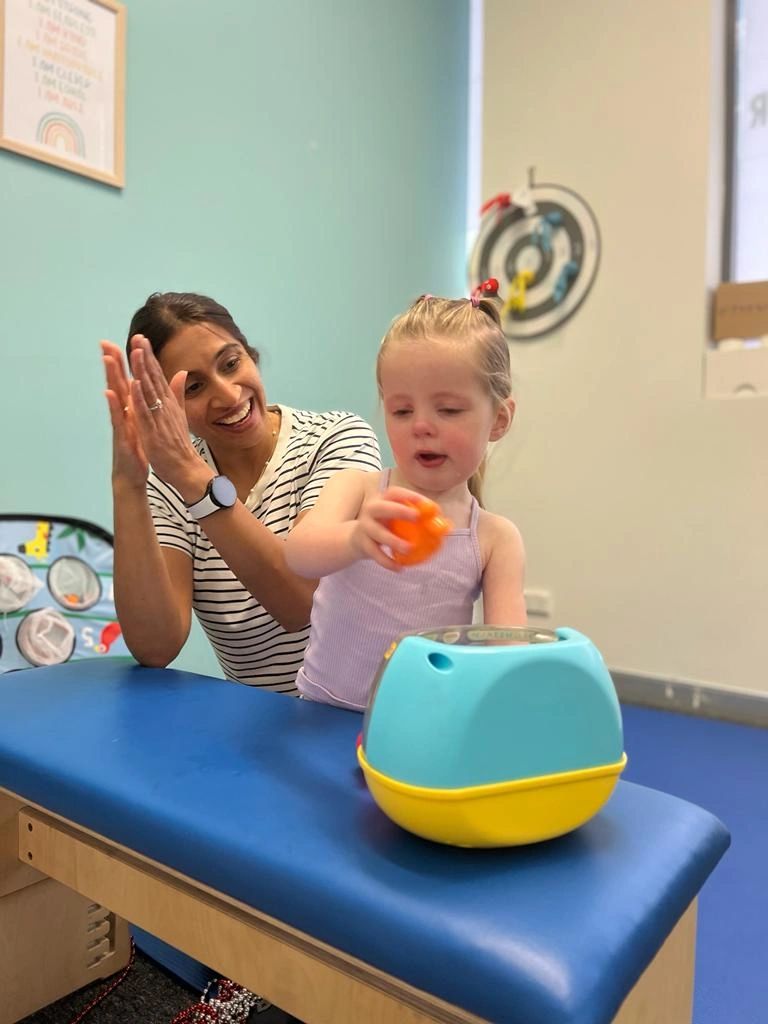
The best programs are family-centred. That means therapists coach you to build skills into everyday moments — mealtimes, bath time, playing at the park — rather than only working with your child in a clinic room.
Signs a child might benefit from support
Every child develops at their own pace, so this list is a prompt for a conversation with your GP or child health nurse — not a diagnosis. You might consider seeking support if your child:
- Isn't babbling, pointing, or using words by the ages you'd expect
- Has trouble understanding simple instructions
- Doesn't make eye contact or respond to their name
- Struggles with feeding, chewing, or lots of picky eating
- Is late to sit, crawl, or walk, or seems unusually stiff or floppy
- Finds it hard to play alongside other children
- Has strong reactions to sounds, textures, or changes in routine
Trust your instincts. If something feels off, it's worth asking. Getting in early tends to make a real difference — and it's never a wasted step to check.
Suitable ages
Early intervention is aimed at children from birth to school age, with the NDIS early childhood approach specifically supporting children under 6. The earlier a child starts, the more you can take advantage of the rapid brain development happening in these years. You don't need a formal diagnosis to access early childhood supports through the NDIS.
What a first appointment looks like
A first session is mostly about getting to know your child and family. Expect the therapist to:
- Ask about your concerns, your child's history, and your daily routines
- Watch your child play or interact, often informally
- Sometimes run a screening or standardised assessment
- Talk through goals that matter to your family
Bring any reports, your child's health record (the blue book in NSW), and a written list of your questions. It's completely normal to feel emotional — good therapists expect this and will make space for it.
Typical costs and NDIS funding
As a general guide, allied health sessions in Australia commonly range from around $180 to $220+ per hour, and NDIS price caps apply to registered supports. These figures shift over time, so always confirm current fees directly with the provider.
Early intervention supports typically sit under the Capacity Building budget in an NDIS plan — specifically "Improved Daily Living" (therapy) and sometimes "Improved Relationships." For very young children, support is delivered through the NDIS early childhood approach, accessed via an early childhood partner in your area.
Beyond the NDIS, other options include Medicare (with a GP care plan for a limited number of subsidised sessions), private health extras, and services through NSW Health. If cost is a barrier, ask providers whether they have any lower-cost or group program options.
How to choose a provider in Wollongong
This page features providers across the Illawarra — from Warilla and Shellharbour to the Wollongong CBD, Keiraville, and Bowral. When comparing them, look at more than the star rating:
- NDIS registration — Check whether the provider is NDIS registered. Registered providers can invoice all plan types; if you self-manage or plan-manage, you can also use non-registered providers. Confirm this suits your plan.
- Therapist credentials — Speech pathologists should be certified with Speech Pathology Australia; occupational therapists and physiotherapists should be registered with AHPRA (and OTs are often members of Occupational Therapy Australia). Ask to see qualifications.
- Waitlists — Early intervention demand is high across the Illawarra. Ask how long the wait is before your child would actually start, not just be booked in.
- Telehealth and mobile options — Some services (like a mobile speech pathologist) come to your home or offer video sessions, which can be a lifesaver for families juggling work or multiple children.
- Experience with your child's needs — Ask whether they regularly work with children of your child's age and profile.
Questions worth asking
- Are you NDIS registered, and which plan types can you support?
- What are your therapists' qualifications and registrations?
- How long is your current waitlist?
- Do you offer home visits, telehealth, or group programs?
- How do you involve parents in therapy?
- How do you set and measure goals, and how often do you review them?
- What are your fees, and are they in line with the NDIS price limits?
Taking notes as you ring around makes it much easier to compare. A good provider will welcome these questions.