What paediatric physiotherapy involves
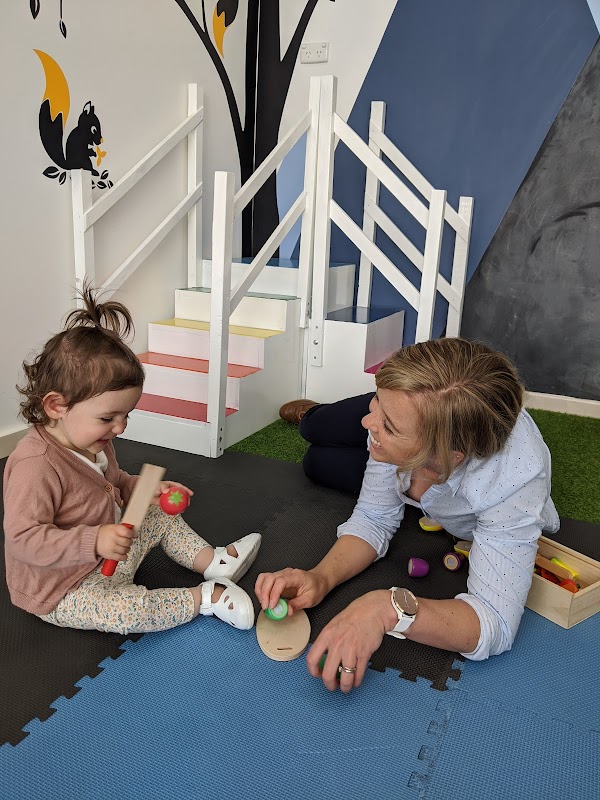
Paediatric physiotherapists focus on how children move. Unlike physio for adults, the work is play-based and developmental — a physio will use games, obstacle courses and equipment to help a child build strength, balance, coordination and confidence. Common areas of support include gross motor milestones (rolling, crawling, walking, running, jumping), balance and coordination, muscle tone, posture, and mobility for children with conditions such as cerebral palsy, developmental delay, hypermobility or low tone.
The goal is usually functional: helping a child keep up at the playground, join in sport, manage stairs, or move around home and school more independently. Physios often work alongside occupational therapists, speech pathologists and educators as part of a broader team.
Signs your child might benefit from support
Every child develops at their own pace, but it can be worth speaking to your GP, paediatrician or a physio if you notice things such as:
- Not meeting motor milestones within the expected range (for example, not sitting, crawling or walking around the usual times)
- Frequent tripping, falling or clumsiness beyond what seems typical
- Walking on toes consistently, or an unusual gait
- Avoiding physical play, stairs or playground equipment
- Difficulty with coordination in sport or PE
- Low muscle tone (floppiness) or stiffness
- Fatigue or complaints of pain with physical activity
This is general information only, not medical advice. If you have concerns, a GP or paediatrician can help and provide referrals where needed.
Suitable ages
Paediatric physios work with children from birth through the teenage years. This includes babies with early movement concerns (such as torticollis or delayed milestones), toddlers and preschoolers building coordination, and school-aged children and teens working on strength, balance or sports-related goals. Some clinics, such as those listed on this page, focus specifically on babies and younger children, while others see the full paediatric age range.
What a first appointment looks like
An initial assessment usually runs 45–60 minutes. The physio will ask about your child's history, development, medical background and your goals. They'll then observe how your child moves — watching them play, walk, run, climb or complete age-appropriate tasks — and may assess strength, range of movement, balance and coordination.
Afterwards, the physio will discuss their findings, suggest goals, and outline a plan. This might include regular sessions, a home exercise program, or equipment recommendations. Bring any reports from your GP, paediatrician or other therapists, plus comfortable clothing your child can move in.
Typical costs and NDIS funding
As a general guide, private paediatric physiotherapy sessions in Australia often range from around $180 to $220+ per hour. The NDIS publishes price caps for therapy supports each year, and many providers align their fees with these caps. Costs vary between clinics, and assessments or reports may be charged separately, so always confirm fees before booking.
Under the NDIS, physiotherapy generally sits under Capacity Building — Improved Daily Living. If your child has this funding in their plan, it can typically be used for physio assessments, sessions and reports. Whether you can access a provider depends on how your plan is managed:
- NDIA-managed plans usually require an NDIS-registered provider
- Plan-managed and self-managed plans can often use registered or non-registered providers
Always check your plan details and confirm with the provider how they bill. Some services on this page are described as NDIS providers — confirm current registration status directly with them.
How to choose a provider in Wollongong
The Illawarra has a good range of options, from Fairy Meadow and Figtree through to Warilla, Albion Park, Woonona and the Wollongong CBD. When comparing providers, consider:
- Credentials: Physiotherapists must be registered with AHPRA (the Australian Health Practitioner Regulation Agency). Ask about their experience specifically with children and any relevant conditions.
- NDIS registration: Confirm whether the provider is NDIS-registered and whether that suits your plan's management type.
- Waitlists: Paediatric therapy waitlists can be long. Ask how soon your child can be seen for an initial assessment and for ongoing sessions.
- Location and setting: Some children respond better in a clinic; others benefit from home, school or telehealth sessions. Ask what's offered.
- Fit: A physio who connects well with your child makes a big difference to engagement and progress.
Questions to ask before booking
- Do you have experience with my child's age and specific needs?
- Are you AHPRA-registered, and are you an NDIS-registered provider?
- What is your current waitlist for an initial appointment and ongoing sessions?
- What are your fees, and how do they compare with the NDIS price caps?
- Do you offer clinic, home, school or telehealth sessions?
- How will you set goals and measure progress?
- Do you write reports for the NDIS, and is that charged separately?
- How do you involve families in the therapy plan?
Taking a little time to compare providers and ask these questions helps you find the right fit for your child and family.